

Clean drinking water is essential for every household, and RO (Reverse Osmosis) water purifiers play a major role in ensuring safe and healthy water. However, many homeowners forget one critical part of RO maintenance — changing the filters on time. If you’re wondering when to change RO filters, this complete guide will help you understand the right replacement time, warning signs, and expert tips to keep your purifier working efficiently.
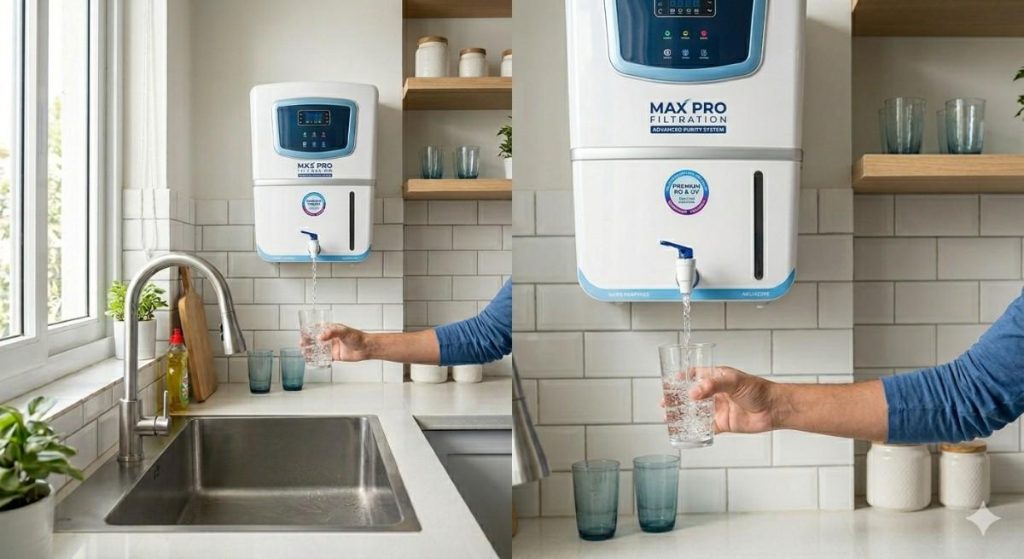
RO systems remove impurities like heavy metals, bacteria, chlorine, and dissolved salts from water. But over time, the filters inside the purifier become clogged with contaminants. When filters are not replaced at the right RO filter replacement time, the purifier may stop working effectively, leading to poor water quality and potential health risks.
In India, where water TDS levels are often high, replacing filters on time is even more important. Ignoring maintenance can lead to slow water flow, bad taste, or high TDS levels in drinking water.
This RO filter replacement guide will explain how often to change RO filters, the signs that indicate replacement is needed, and practical RO purifier maintenance tips to extend the life of your purifier.
How an RO Water Purifier Works
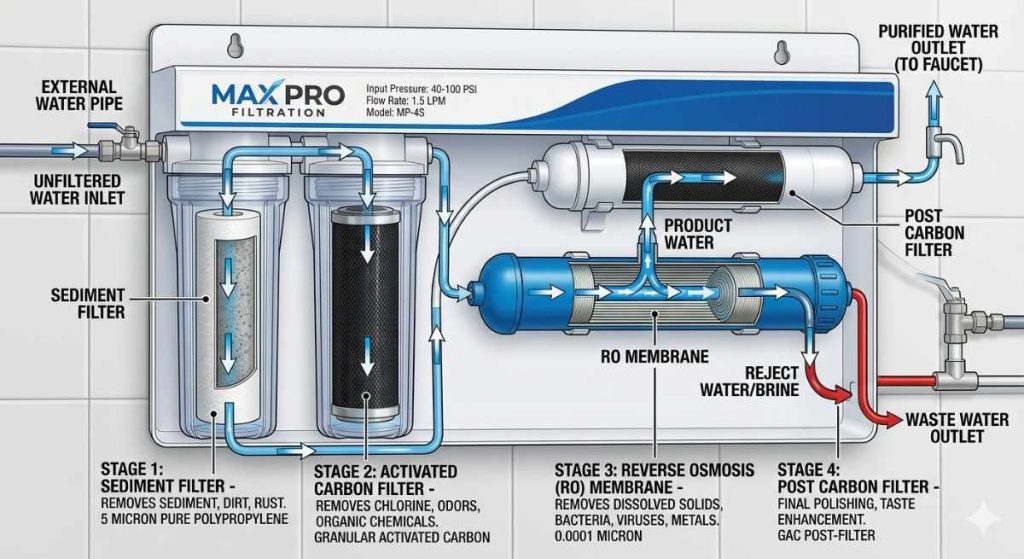
Before understanding when to change RO filters, it’s helpful to know how an RO purifier works. Most modern RO systems use multiple filtration stages to purify water.
Sediment Filter
The sediment filter is the first stage of filtration. It removes larger particles such as:
- Dust
- Sand
- Rust
- Dirt
This filter protects the inner filters from damage and improves overall purifier efficiency.
Typical Replacement Time
RO pre filter replacement time: 6–12 months.
If not replaced on time, dirt accumulation can block water flow and reduce purification efficiency.
Carbon Filter
The carbon filter removes:
- Chlorine
- Bad taste and odor
- Organic chemicals
- Pesticides
It improves the taste and smell of drinking water while protecting the RO membrane from chlorine damage.
Typical Replacement Time
RO carbon filter replacement: Every 6–12 months.
RO Membrane
The RO membrane is the heart of the purifier. It removes dissolved impurities such as:
- Heavy metals
- Fluoride
- Arsenic
- Excess TDS
The membrane uses a semi-permeable layer to separate pure water from contaminants.
Typical Replacement Time
RO membrane replacement time: 2–3 years depending on water quality and usage.
Post Carbon Filter
The post carbon filter is the final stage of purification. It improves water taste and ensures that purified water smells fresh.
Typical Replacement Time
Post carbon filter replacement: Every 12 months.
When to Change RO Filters
One of the most common questions homeowners ask is how often to change RO filters. The answer depends on several factors such as water quality, usage, and purifier model.
Below is a standard RO filter replacement guide followed by most experts.
Sediment Filter Replacement
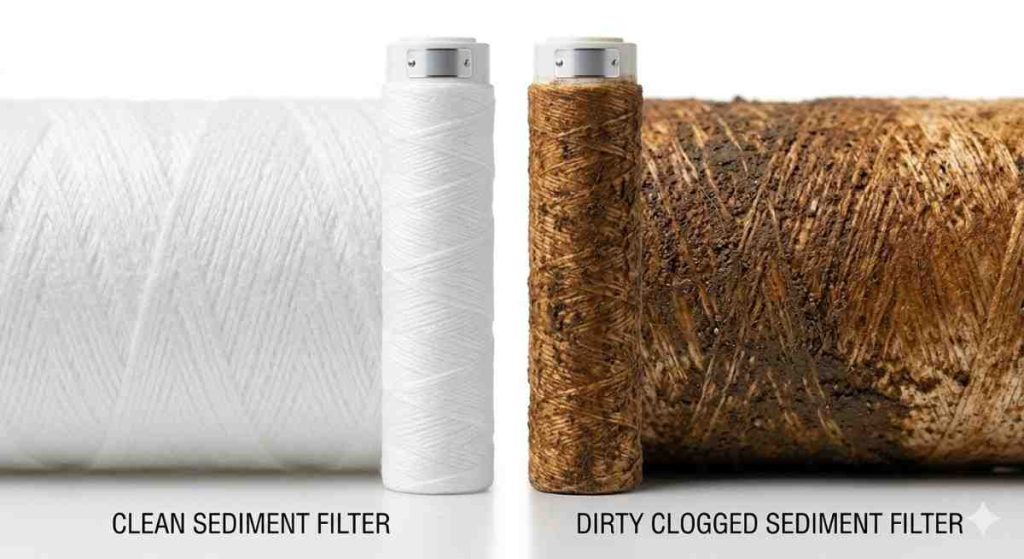
Sediment filters trap dust and particles from incoming water. Over time they become clogged and reduce water pressure.
Replacement Time
6–12 months
Signs of Replacement
- Slow water flow
- Dirty or dark filter cartridge
- Reduced purifier efficiency
Carbon Filter Replacement
Carbon filters absorb chemicals and chlorine from water. When saturated, they stop removing contaminants.
Replacement Time
6–12 months
Signs of Replacement
- Water tastes unusual
- Chlorine smell in water
- Reduced purification quality
RO Membrane Replacement
The RO membrane handles the most important purification process. A damaged membrane may allow impurities to pass into drinking water.
Replacement Time
2–3 years
Signs of Replacement
- Increased TDS in water
- Reduced water production
- RO system running continuously
Post Carbon Filter Replacement
The post carbon filter enhances water taste and removes any remaining odor.
Replacement Time
12 months
Signs of Replacement
- Water tastes stale
- Slight odor in drinking water
If your water TDS level remains high even after purification, it could indicate membrane damage. Read our detailed guide on why TDS is not reducing in RO.
Signs Your RO Filter Needs Replacement
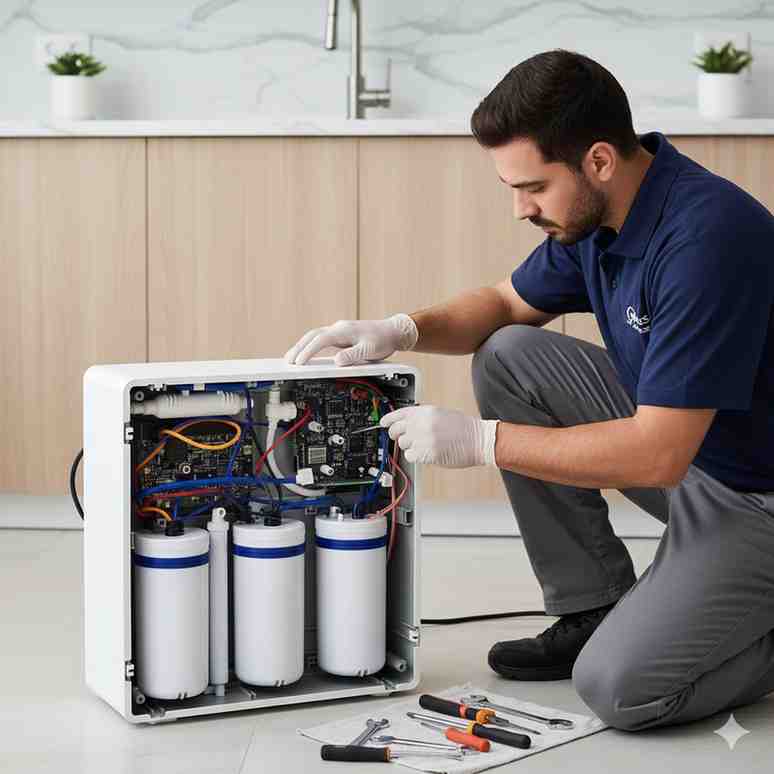
Many homeowners ignore the signs RO filter needs replacement until the purifier stops working properly. Recognizing early warning signals can prevent serious issues.
1.Bad Taste or Odor in Water
If your drinking water tastes metallic, bitter, or smells unusual, it may indicate that the RO carbon filter replacement is overdue.
2.Slow Water Flow
Clogged filters restrict water flow. If purified water comes out slowly, it could mean the sediment or carbon filter is blocked.
3.High TDS Levels
A sudden increase in TDS readings indicates that the RO membrane replacement time has arrived.
4.Ro Tank Filling Slowly
When filters are dirty, the system takes longer to fill the storage tank. This is a common sign that filters need servicing.
5.Strange noise from the RO System
Unusual noise during operation may occur when the purifier struggles to push water through clogged filters.
6.Cloudy or Unclear Water
Purified water should always appear clear. Cloudy water could indicate filter failure or contamination
Another warning sign is unusual sound from the purifier. If your system is producing strange sounds, learn why RO purifier is making noise and how to fix it.
Factors That Affect RO Filter Life
The lifespan of RO filters is not fixed. Several factors influence RO filter replacement time.
1.Water TDS Level
High TDS water puts extra pressure on the membrane, reducing its lifespan.
2.Water Usage
Large families use more purified water, which means filters get exhausted faster.
3.Pre-Filter Quality
Installing a good quality pre-filter can protect internal filters and extend their life.
4.Maintenance Frequency
Regular servicing ensures filters work efficiently and prevents early damage.
5.Water Pressure
Low or unstable water pressure may affect filtration performance and filter lifespan.
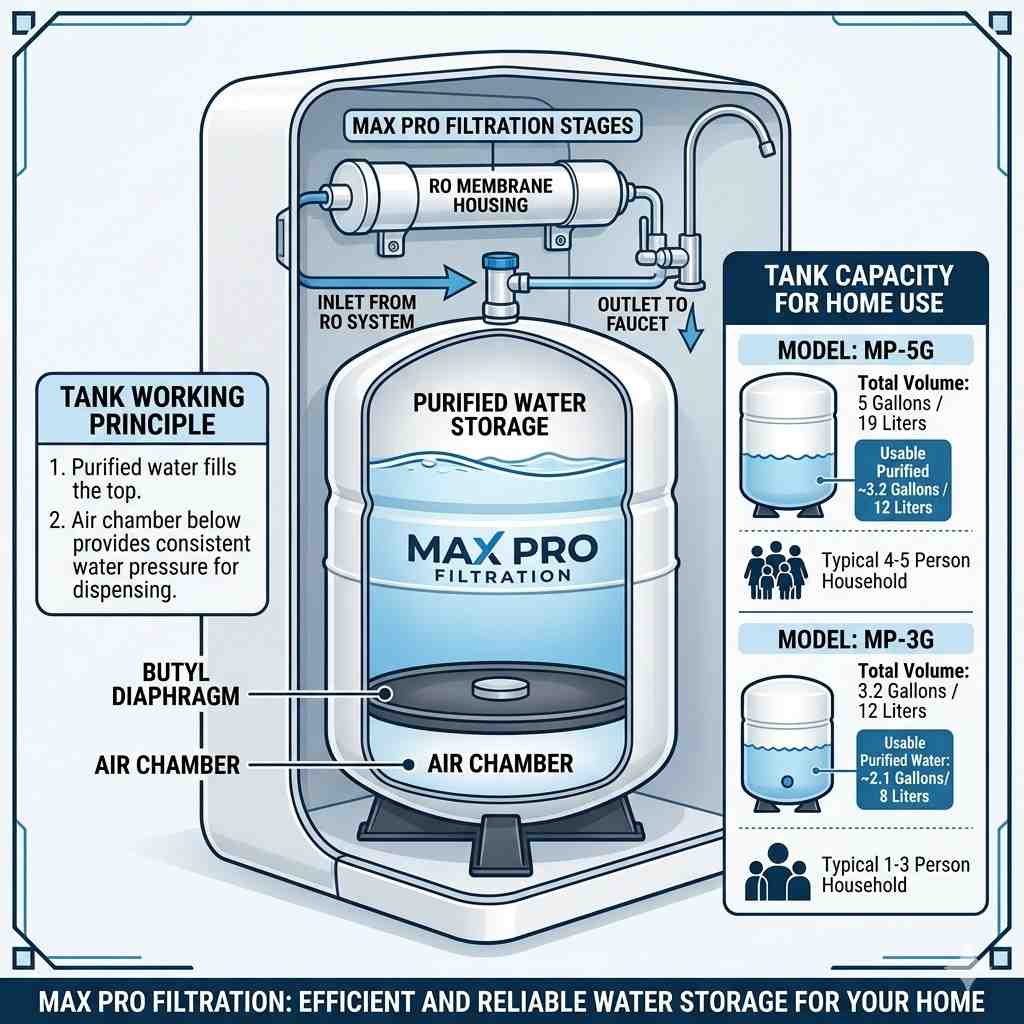
If your purifier is producing very little water, it may not always be a filter issue. Sometimes low water pressure in RO purifier can also affect purification performance.
What Happens If You Don’t Change RO Filters
Ignoring RO filter replacement can lead to several serious problems.
- Poor Water Purification
Old filters cannot remove contaminants effectively, resulting in unsafe drinking water.
- 2. Bacteria Buildup
Dirty filters may become breeding grounds for bacteria and microorganisms.
- 3. Damage to RO Membrane
If sediment and carbon filters fail, contaminants can damage the expensive RO membrane.
- 4. Higher Maintenance Costs
Delayed filter replacement often leads to expensive repairs or complete purifier failure.
RO Filter Replacement Cost in India
Many homeowners hesitate to replace filters due to cost concerns. However, regular maintenance is much cheaper than repairing a damaged purifier.
Below are approximate costs in India.
| Filter Type | Approximate Cost |
|---|---|
| Sediment Filter | ₹150 – ₹400 |
| Carbon Filter | ₹300 – ₹600 |
| RO Membrane | ₹1800 – ₹3500 |
| Post Carbon Filter | ₹300 – ₹700 |
Annual Maintenance Cost
Most RO service packages cost around ₹2500 – ₹6000 per year, depending on the purifier brand and service plan.
Expert Tips to Increase RO Filter Life
Proper maintenance can significantly increase filter lifespan and reduce replacement frequency.
Install a Pre-Filter
A pre-filter removes heavy dirt before water enters the purifier, protecting internal filters.
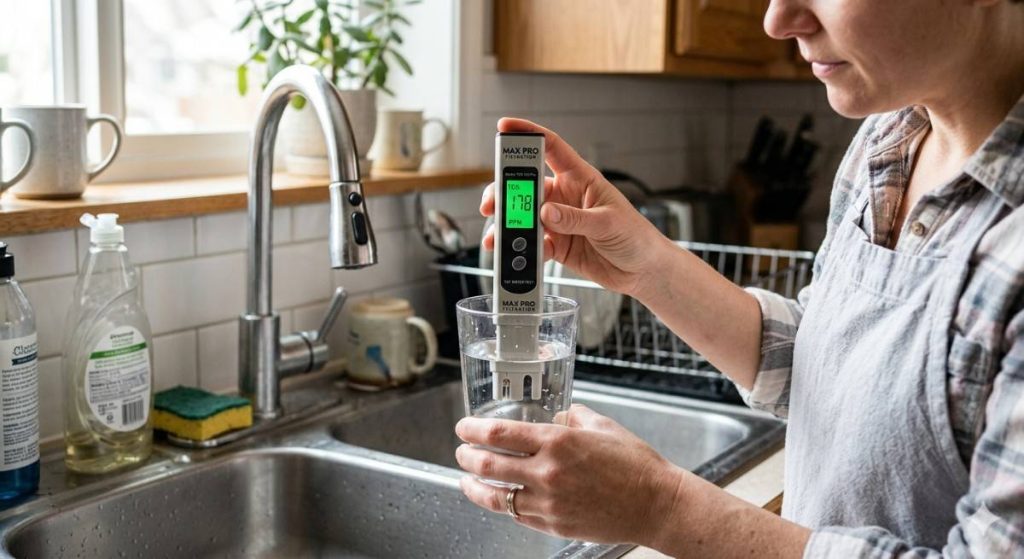
Monitor TDS Levels Regularly
Checking TDS levels helps identify filter problems early.
Clean the RO Storage Tank
Regular tank cleaning prevents bacterial growth and improves water quality.
Schedule Annual Servicing
Professional servicing ensures all filters and components are working properly.
Use the Purifier Regularly
RO systems work best when used consistently. Long periods of inactivity may damage filters.
Check Water Pressure
Maintaining proper water pressure helps the purifier operate efficiently.
Common Mistakes People Make While Replacing RO Filters
Many homeowners understand the importance of when to change RO filters, but they often make mistakes during maintenance that reduce the purifier’s efficiency. Avoiding these common errors can help your RO system perform better and last longer.
1. Waiting Too Long to Replace Filters
One of the biggest mistakes is delaying filter replacement. Many users continue using filters even after the recommended RO filter replacement time has passed. Overused filters become clogged with contaminants and stop purifying water effectively. This not only affects water quality but can also damage the RO membrane.
2. Ignoring Water Taste and Smell Changes
Changes in water taste, smell, or color are clear signs RO filter needs replacement. Unfortunately, many people ignore these warning signals. If you notice a chlorine smell, metallic taste, or cloudy water, it may indicate that the RO carbon filter replacement is overdue.
3. Not Checking TDS Levels Regularly
A simple TDS meter can help you monitor water quality at home. If the TDS level suddenly increases, it might mean that the RO membrane replacement time has arrived. Regular monitoring helps detect problems early and prevents long-term purifier damage.
4. Using Low-Quality Replacement Filters
Using cheap or incompatible filters can reduce purification efficiency. Always choose high-quality RO filters compatible with your purifier model to ensure proper filtration and longer lifespan.
5. Skipping Professional Servicing
Although some filters can be replaced at home, regular professional servicing ensures that the entire system is functioning properly. Technicians can inspect components like the pump, valves, and membrane to prevent future issues.
Proper maintenance and understanding how often to change RO filters can significantly improve purifier performance and ensure safe drinking water for your family. By avoiding these common mistakes and following a proper RO filter replacement guide, homeowners can extend the life of their purifier and maintain consistent water quality.
Conclusion
Understanding when to change RO filters is essential for maintaining safe and healthy drinking water at home. Each filter in the RO purifier has a specific lifespan, and replacing them on time ensures the system continues to remove harmful contaminants effectively.
As a general rule, sediment and carbon filters should be replaced every 6–12 months, the post carbon filter every 12 months, and the RO membrane every 2–3 years. However, factors such as water quality, usage, and maintenance habits can influence the exact RO filter replacement time.
By recognizing the signs RO filter needs replacement and following proper RO purifier maintenance tips, you can extend the life of your purifier and ensure clean, great-tasting water for your family.
Regular maintenance is not just about protecting your purifier — it’s about protecting your health.
For expert advice and one on one solution, connect with us Max Pro Filtration

FAQ Section
How often should RO filters be changed?
Most RO filters should be replaced every 6–12 months, while the RO membrane usually lasts 2–3 years depending on water quality.
What happens if RO filters are not replaced?
Old filters can reduce purification efficiency, increase bacteria growth, and damage the RO membrane.
How do I know if my RO membrane is bad?
Signs include high TDS levels, slow water flow, and reduced water production.
Can I replace RO filters myself?
Yes, many filters can be replaced easily. However, professional servicing ensures proper installation and system inspection.
Does high TDS affect RO filter life?
Yes. High TDS water causes filters and membranes to wear out faster, requiring more frequent replacement.