

Complete RO Buying Checklist for First-Time Buyers
Clean drinking water is essential for every household. If you are planning to buy a purifier, this RO Buying Checklist — Avoid These Mistakes Before Purchasing a Water Purifier guide will help you make a smart decision. Many homeowners buy an RO purifier without understanding their water quality, filtration needs, or maintenance costs. This often leads to problems such as poor water taste, frequent breakdowns, or unnecessary expenses.
Choosing the right water purifier can be confusing for many homeowners. That’s why following a proper RO Buying Checklist is essential before purchasing a water purifier. Many people buy an RO system without checking their water quality, filtration requirements, or maintenance cost. A well-planned RO Buying Checklist helps you avoid these mistakes and ensures you choose the best purifier for your home.
In India, water quality varies widely depending on location. Some areas have high TDS levels, while others suffer from contamination caused by heavy metals, bacteria, or chemicals. Choosing the wrong purifier may not only waste money but also fail to provide safe drinking water for your family.
That’s why understanding the right RO buying checklist is important before investing in a water purifier. In this detailed guide, you will learn how to choose the right purifier, what features matter the most, and the common mistakes when buying an RO purifier that many people make. By the end of this article, you will have a clear roadmap to select the best RO purifier for home with confidence.
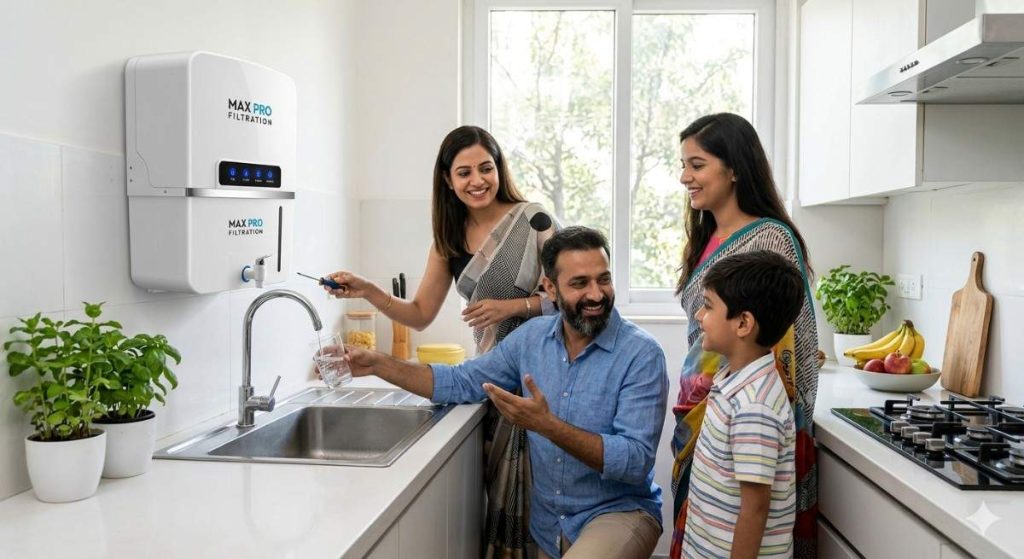
Why Choosing the Right RO Purifier Matters
Selecting the right purifier is not just about buying a machine. It directly affects your family’s health and daily water consumption.
Impact of Water Quality on Health
Water contaminated with high TDS, bacteria, heavy metals, or chemicals can cause serious health issues. Long-term consumption of poor-quality water may lead to stomach infections, kidney problems, or digestive disorders.
An RO purifier removes dissolved impurities and improves water safety, but it must be chosen based on your water quality.
Importance of Proper Filtration
Different homes require different filtration technologies. Some water sources require RO filtration, while others may only need UV or UF purification.
Using the wrong filtration technology can result in:
- Inefficient purification
- Loss of essential minerals
- Higher maintenance costs
A proper RO buying guide helps homeowners understand which purification method suits their water source.
Problems Caused by Wrong RO Selection
Buying the wrong purifier can create multiple issues:
- Low water flow
- High water wastage
- Frequent filter replacements
- Poor taste of drinking water
Following a proper checklist before buying ensures you select the best RO purifier for home without facing these problems.
Complete RO Buying Checklist
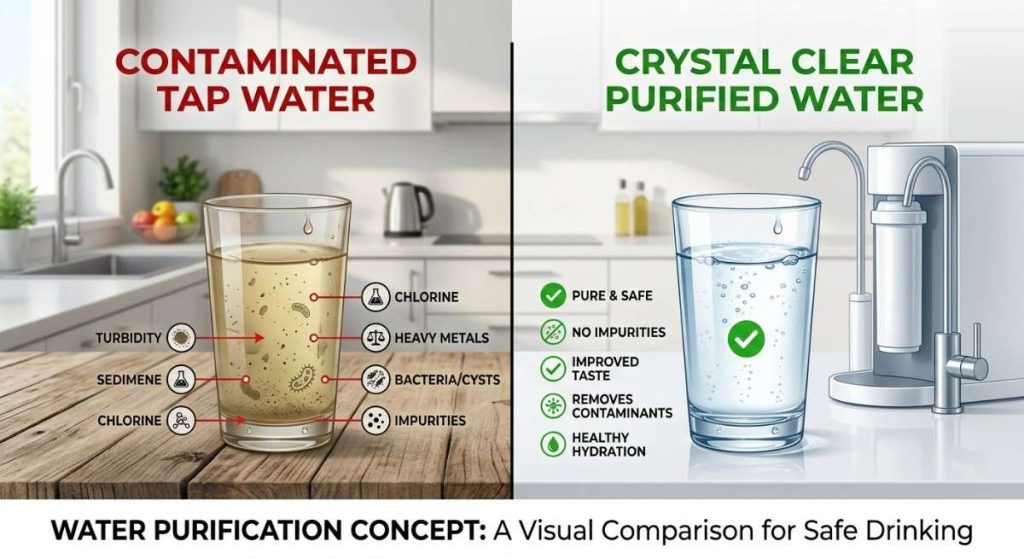
Before purchasing a purifier, consider the following important factors.
✔ Check Your Water TDS Level
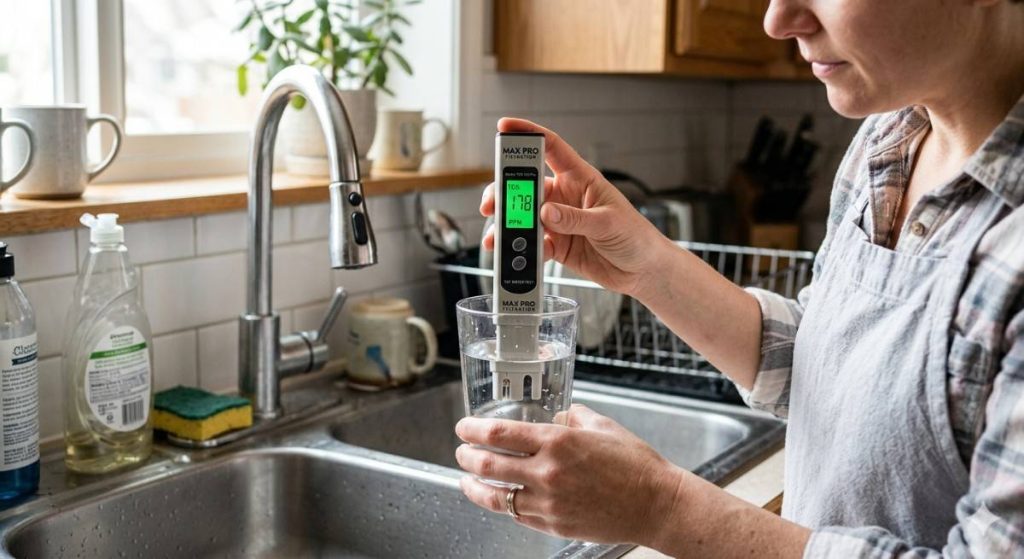
The first and most important step is testing your water’s Total Dissolved Solids (TDS) level.
Why it matters
TDS determines whether you actually need an RO purifier or not.
General guideline:
- Below 200 ppm – RO may not be required
- 200–500 ppm – RO with TDS controller recommended
- Above 500 ppm – RO purifier is necessary
Tips for buyers
- Use a digital TDS meter to test your water.
- Ask the purifier company to test the water before installation.
This step alone can help avoid one of the biggest mistakes when buying RO purifier.
Sometimes homeowners notice that their purifier is not reducing impurities properly. If that happens, read our guide on TDS not reducing in RO and powerful solutions
✔ Choose the Right Filtration Technology
Modern purifiers come with multiple filtration stages such as:
- RO (Reverse Osmosis)
- UV (Ultraviolet purification)
- UF (Ultrafiltration)
- TDS Controller
- Mineral Cartridge
Why it matters
Each technology removes different contaminants.
For example:
- RO removes dissolved salts and heavy metals
- UV kills bacteria and viruses
- UF removes suspended particles
Tips for buyers
Look for RO + UV + UF + TDS controller combination for complete purification.
✔ Storage Tank Capacity
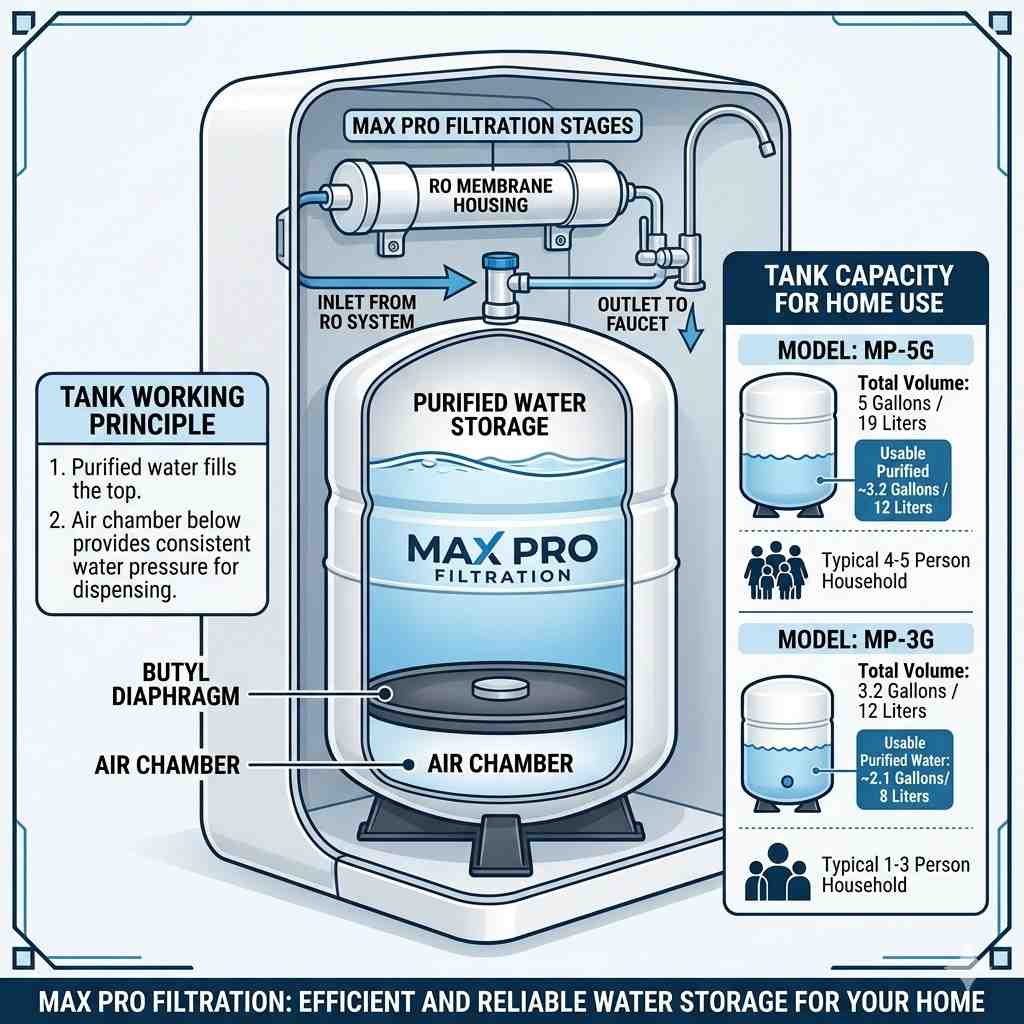
Storage capacity is another key factor when selecting a purifier.
Why it matters
If your family size is large, a small storage tank may not be sufficient.
Typical recommendations:
- 1–3 members: 6–7 liters
- 4–6 members: 8–10 liters
- Large families: 10+ liters
Tips for buyers
Choose a purifier that matches your daily water consumption.
✔ Water Pressure Compatibility
RO purifiers require adequate water pressure to function properly.
Why it matters
Low water pressure can cause:
- Slow water filtration
- Incomplete purification
- Tank not filling properly
Tips for buyers
If your home has low pressure, choose a purifier with an inbuilt booster pump.
If your home has low water pressure, the purifier may not work efficiently. You can also read our guide on low water pressure in RO and expert solutions to understand how pressure affects RO performance.
✔ Electricity Requirement
Most RO purifiers require electricity to operate.
Why it matters
During power cuts, some models stop working.
Tips for buyers
Look for purifiers with:
- Power-saving technology
- Storage tanks that can supply water during power cuts
✔ Filter Replacement Cost
Many buyers ignore maintenance costs while purchasing a purifier.
Why it matters
RO filters need replacement every 6–12 months depending on usage.
Average yearly maintenance cost may range from ₹2000 to ₹5000.
Tips for buyers
Ask the seller about:
- Filter replacement frequency
- Annual maintenance cost
This helps you plan long-term expenses.
✔ Brand Reliability & After-Sales Service
Reliable service support is extremely important.
Why it matters
Without proper service availability, repairing or replacing filters can become difficult.
Tips for buyers
Choose brands that offer:
- Wide service network
- Warranty coverage
- Affordable AMC plans
✔ RO Waste Water Ratio
Traditional RO systems waste a significant amount of water.
Why it matters
Some models waste up to 70% of water.
Tips for buyers
Look for purifiers with water-saving technology.
Modern models can recover up to 50% of water.
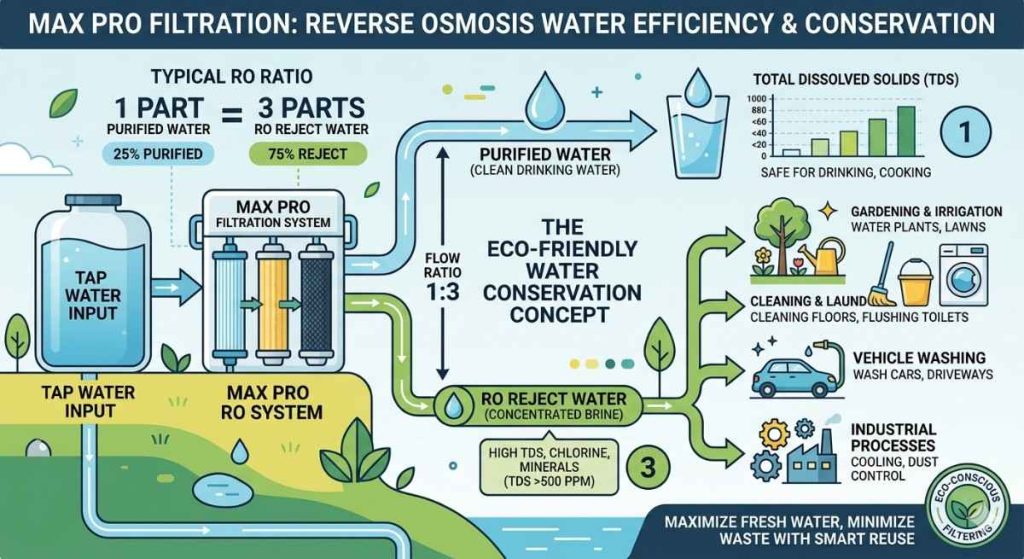
Many people are concerned about water wastage in RO systems. Fortunately, there are several smart ways to reuse RO waste water at home for cleaning, mopping, and gardening. Learn more here:
✔ Installation Space
Before buying, check where you will install the purifier.
Options include:
- Wall-mounted models
- Countertop purifiers
- Under-sink RO systems
Tips for buyers
Measure the installation space in your kitchen before purchasing.
✔ Food Grade Storage Tank
The storage tank should be made from food-grade plastic.
Why it matters
Low-quality tanks can affect water taste and hygiene.
Tips for buyers
Choose purifiers certified with food-grade material safety standards.
Common RO Buying Mistakes to Avoid
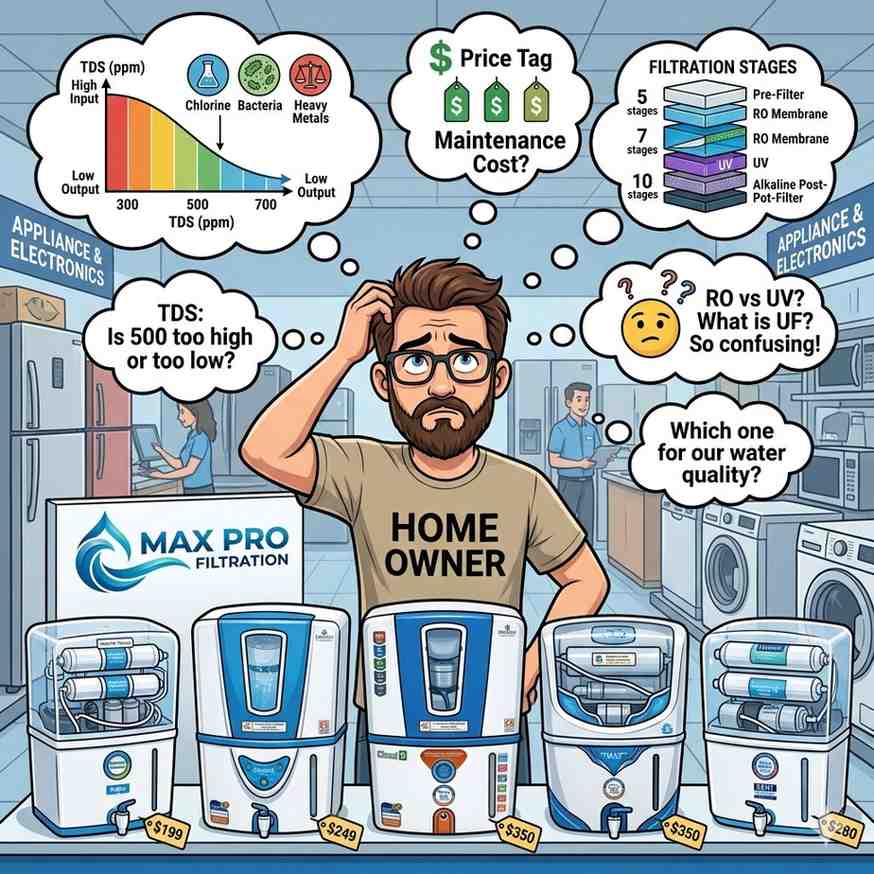
Many buyers make costly mistakes while choosing a purifier.
Buying RO Without Checking TDS
Some people buy RO purifiers even when their water TDS is already low.
This can remove essential minerals and make water taste flat.
Always test TDS before purchasing.
Choosing Very Cheap Purifiers
Cheap purifiers often use low-quality filters and poor membranes.
These systems may fail to remove contaminants properly and require frequent repairs.
Invest in a trusted brand.
Ignoring Maintenance Cost
A purifier with low initial cost may have expensive filters.
Over time, maintenance costs can exceed the purchase price.
Always compare long-term expenses.
If your purifier starts making unusual sounds, it could indicate a filter or pump issue. Check our detailed guide on RO making noise causes and fixes here: https://maxprofiltration.online/ro-making-noise-causes-and-fix-rea
Buying Oversized Storage Tanks
Many buyers assume bigger tanks are always better.
However, oversized tanks:
- Take more space
- Increase cost
- May store water for too long
Choose capacity according to family size.
Not Checking Water Pressure
Low water pressure is a common issue in apartments.
Without a booster pump, RO filtration may become slow or inefficien
Ignoring Service Availability
Even the best purifier requires regular servicing.
If service centers are not available in your area, maintenance becomes difficult.
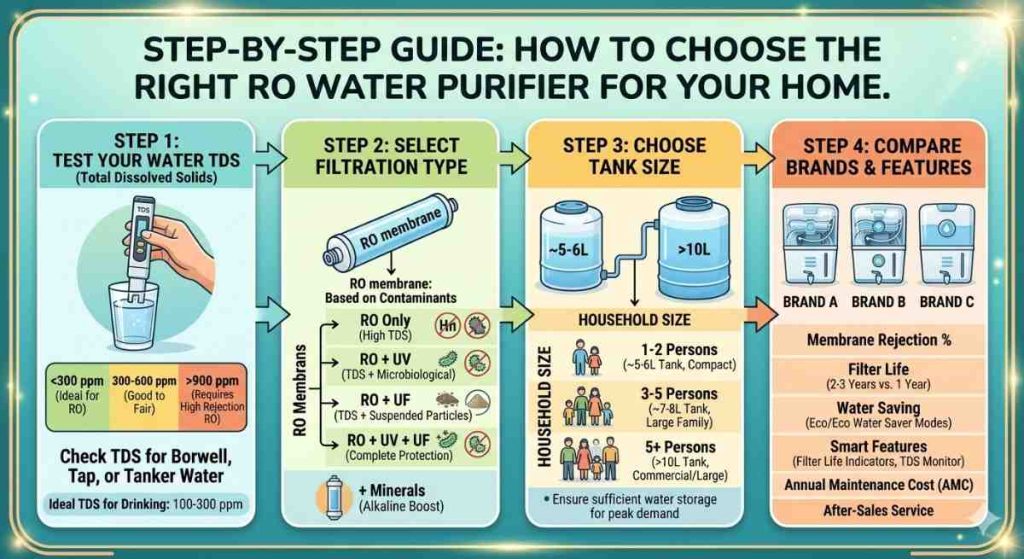
How to Choose the Best RO for Your Home
Follow this simple step-by-step process.
Step 1: Test Your Water TDS
Check your water quality before choosing any purifier.
Step 2: Decide Filtration Technology
Choose RO, UV, UF, or combination systems depending on contamination.
Step 3: Choose Storage Capacity
Select a tank size based on family size.
Step 4: Check Installation Space
Measure the available space in your kitchen.
Step 5: Compare Brands
Evaluate brands based on:
- Filter quality
- Warranty
- Service support
- Maintenance cost
Following these steps makes it easier to select the best RO purifier for home.
How to Compare Different RO Purifiers Before Buying
Even after following the RO Buying Checklist, many buyers still feel confused because there are dozens of models available in the market. Comparing different RO purifiers carefully can help you choose the right system for your home.
If you are planning to buy a purifier soon, this RO Buying Checklist will help you compare different models, understand filtration technologies, and select the best RO purifier for your home.
Compare Filtration Stages
Modern RO purifiers come with 5 to 8 stages of filtration. These stages may include sediment filters, activated carbon filters, RO membranes, UV purification, UF filtration, and mineral cartridges.
More filtration stages usually mean better purification, but they should also match your water quality. For example, if your water has high TDS and bacterial contamination, a purifier with RO + UV + UF filtration is usually the best choice.
When following a proper RO buying guide, always check the filtration stages mentioned in the product specifications.
Check RO Membrane Quality
The RO membrane is the most important component of the purifier. It removes dissolved salts, heavy metals, and harmful contaminants from water.
A high-quality RO membrane ensures:
- Better purification efficiency
- Longer lifespan
- Lower maintenance cost
Avoid purifiers that use low-grade membranes, as they may fail to reduce TDS properly.
Evaluate Water Recovery Technology
Older RO systems waste a lot of water during purification. Some models may waste 3 liters of water for every 1 liter purified.
Modern purifiers now come with water-saving technology that improves water recovery.
While comparing models, choose purifiers that offer:
- Low water wastage
- High purification efficiency
- Eco-friendly operation
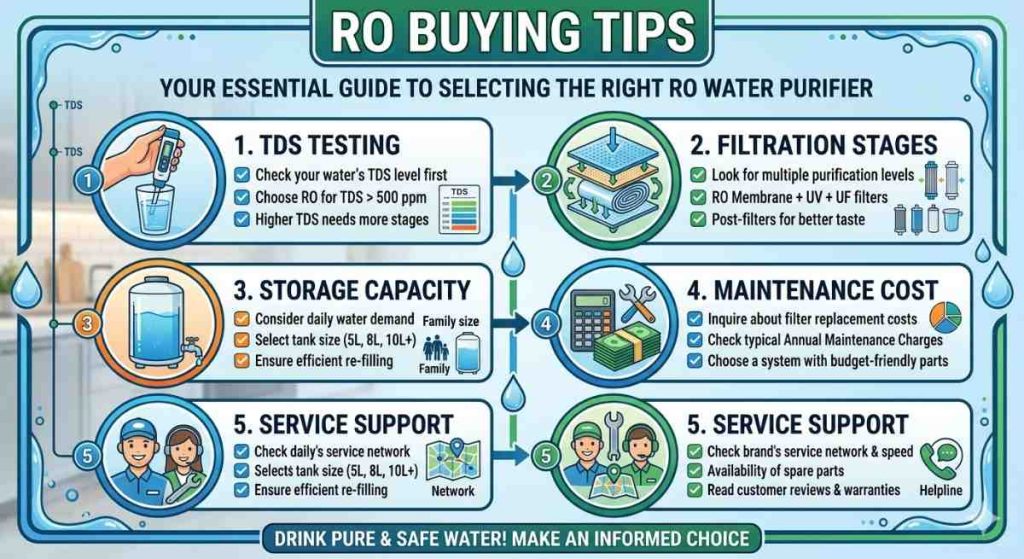
This is one of the most overlooked RO purifier buying tips that many homeowners ignore.
Compare Warranty and Service Support
A good warranty ensures long-term peace of mind. Most reliable brands offer 1-year warranty on the purifier and filters.
Before purchasing, check:
- Availability of service centers in your city
- Cost of annual maintenance contracts (AMC)
- Speed of customer support
Many buyers regret their purchase because they did not consider service availability. Proper service support is essential for maintaining the best RO purifier for home.
Read Customer Reviews and Ratings
Online reviews can provide valuable insights about real user experiences.
Look for feedback related to:
- Water taste after purification
- Filter replacement frequency
- Service quality
- Noise level during operation
Checking reviews helps you avoid the most common mistakes when buying RO purifier and ensures you invest in a reliable product.
Expert Tips Before Buying an RO Purifier
Before investing in a purifier, it is important to follow a proper RO Buying Checklist. This checklist helps homeowners understand what features to look for and what mistakes to avoid. The Ro purifier buying guide
Here are some practical tips from water purification experts:
✔ Always test your water TDS level first
✔ Choose purifiers with mineral retainers
✔ Check the annual maintenance cost
✔ Prefer brands with strong service networks
✔ Look for water-saving RO technology
✔ Select purifiers with multi-stage filtration
✔ Compare at least 3 models before purchasing
These RO purifier buying tips help ensure you choose the right system.
Conclusion
Buying a water purifier is an important investment for your family’s health. Following a proper RO Buying Checklist — Avoid These Mistakes Before Purchasing a Water Purifier ensures you select the right system based on your water quality, family size, and budget.
By checking factors such as TDS level, filtration technology, storage capacity, and maintenance cost, you can avoid common purchasing mistakes.
Following a proper RO Buying Checklist can save you from expensive mistakes and ensure you invest in the right purifier for your home. By checking TDS levels, filtration technology, and maintenance costs, you can confidently choose the best water purifier for your family.
Safe drinking water is essential for a healthy life. Take time to research, compare options, and choose a reliable purifier that provides long-term performance and peace of mind.
for expert advice connect with us Max Pro Filtration
FAQs
Do I need an RO purifier for low TDS water?
If your water TDS is below 200 ppm, an RO purifier may not be necessary. In such cases, UV or UF purifiers may be sufficient to remove bacteria and particles while preserving essential minerals.
What is the ideal TDS level for drinking water?
The recommended TDS level for drinking water is typically between 50 and 300 ppm. Water within this range is considered safe, tastes better, and contains essential minerals beneficial for health.
How much electricity does an RO purifier use?
Most RO purifiers consume around 25–60 watts of electricity during operation. Power consumption depends on the model, pump capacity, and filtration stages used.
What is the average maintenance cost of an RO purifier?
The average annual maintenance cost for an RO purifier ranges between ₹2000 and ₹5000. This includes filter replacements, membrane changes, and periodic servicing.
How long do RO filters last?
Pre-filters usually last 6–12 months, while RO membranes may last 1–2 years depending on water quality and usage.