

Introduction
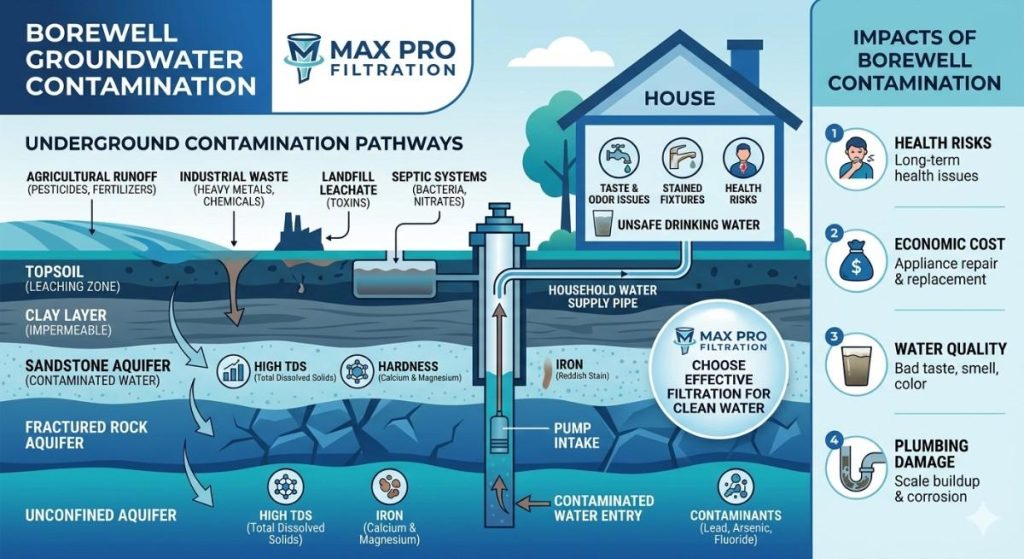
In many parts of India, households depend on borewell or groundwater for daily drinking and cooking needs. While borewell water may appear clear, it often contains hidden impurities such as high TDS (Total Dissolved Solids), hardness, heavy metals, and harmful contaminants.
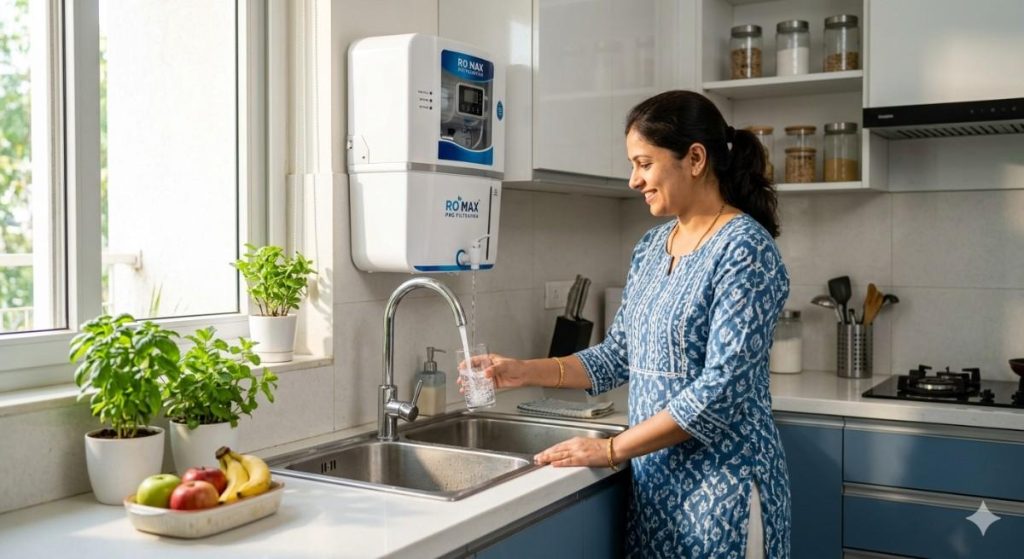
These impurities can affect both health and the taste of drinking water. Common issues with groundwater include a salty taste, scaling on utensils, and unpleasant odors. Over time, consuming untreated water may lead to health problems due to excess minerals or contaminants.
This is where choosing the right RO purifier for borewell water becomes essential. A well-designed RO system can effectively remove dissolved impurities and make water safe, clean, and healthy to drink.
In this guide, we will explain how to choose the best RO purifier for borewell water, what factors to consider, and how to ensure your family gets safe drinking water every day.
Why Borewell Water Needs Special Filtration
Unlike municipal water, borewell water comes directly from underground sources. During its journey through soil and rocks, it dissolves many minerals and contaminants.
Common problems found in groundwater include:
- High TDS levels
- Excess hardness
- Heavy metals like lead and arsenic
- Iron contamination
- Bacteria and microorganisms
Because of these impurities, regular water filters are often not enough. A borewell water purifier using RO technology is designed specifically to remove dissolved solids and harmful particles.
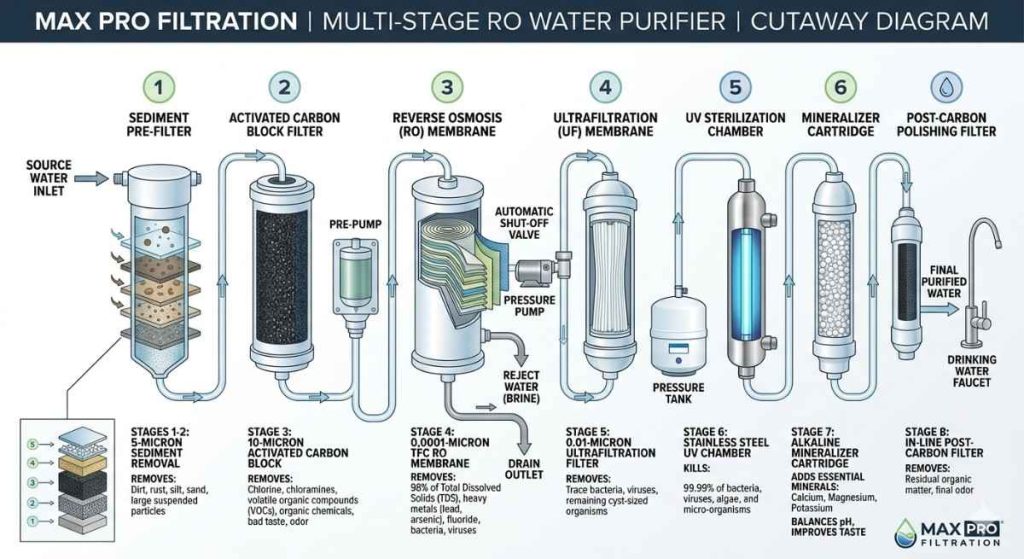
Reverse Osmosis systems use a semi-permeable membrane that removes up to 95–99% of contaminants, making it the most effective solution for high TDS water purification.
If your home relies on groundwater, installing the best water purifier for groundwater is one of the most important investments for your family’s health.
Understanding TDS in Borewell Water
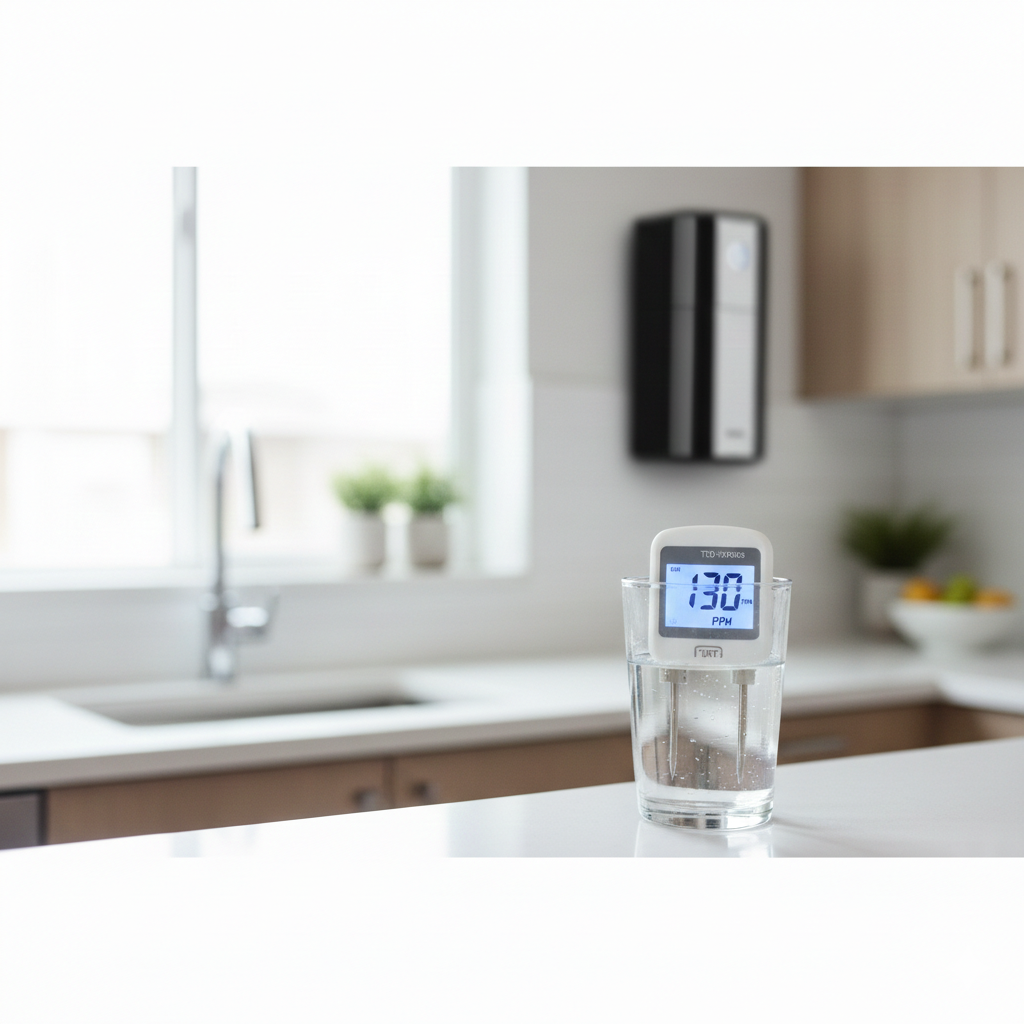
Before choosing the right RO purifier for borewell water, it is important to understand what TDS (Total Dissolved Solids) actually means. TDS refers to the amount of dissolved minerals, salts, and metals present in water. These substances enter groundwater naturally as water passes through soil and rock layers.
In many regions of India, borewell water often contains high levels of calcium, magnesium, sodium, iron, and other dissolved solids. While some minerals are beneficial in small amounts, excessive TDS can make water unsafe or unpleasant to drink.
Here is a simple breakdown of TDS levels:
- 0–150 ppm – Very low mineral content
- 150–300 ppm – Ideal drinking water
- 300–500 ppm – Acceptable but slightly mineral-heavy
- 500–900 ppm – Requires purification
- Above 900 ppm – Strongly recommended to use RO purification
If your home’s borewell water has TDS above 500 ppm, installing a water purifier for high TDS water becomes essential. Reverse Osmosis technology uses a special membrane that removes excess dissolved solids, improving both the taste and safety of drinking water.
Many modern purifiers also include TDS controllers or mineral cartridges that balance minerals after purification. This ensures the water remains healthy while still removing harmful contaminants.
Key Factors to Check Before Choosing an RO Purifier
Choosing the right RO purifier for borewell water requires understanding a few important factors. Let’s look at them one by one.
1. Check the TDS Level of Your Water
The first step before buying any purifier is testing the TDS level of your borewell water.
Typical guidelines:
- Below 300 ppm – Usually safe
- 300–600 ppm – Moderate TDS
- Above 600 ppm – Requires RO purification
If your water has high TDS levels, you should choose a water purifier for high TDS water with strong RO filtration.
If your purifier is installed but the TDS level is still high, there may be internal filtration issues. Read our expert guide on TDS not reducing in RO – powerful fix guide to learn the possible causes and solutions.
https://maxprofiltration.online/tds-not-reducing-in-ro-powerful-fix-guide/
2. Hardness and Heavy Metal Presence
Groundwater often contains calcium and magnesium, which cause water hardness. Hard water can lead to:
- White deposits on taps
- Scaling on utensils
- Reduced appliance life
A good RO filter for hard water can remove excess minerals and improve water taste.
Some areas may also have heavy metals like arsenic or lead, which are harmful to health. A multi-stage RO system helps remove these contaminants effectively.
3. RO + UV + UF Combination
For maximum protection, many modern purifiers use multiple purification technologies.
Best combinations include:
RO + UV
Removes dissolved impurities and kills bacteria.
RO + UV + UF
Provides an extra filtration layer and better purification.
This combination is often considered the best RO for borewell water because it ensures both chemical and biological purification.
4. Storage Capacity
Power cuts are common in many Indian cities, so choosing the right storage capacity is important.
Recommended tank sizes:
- 6–8 liters – Small families
- 8–10 liters – Medium families
- 10–12 liters – Large families
A larger storage tank ensures you always have clean drinking water available.
5. Water Recovery Technology
Traditional RO purifiers waste a significant amount of water. Modern systems now include water-saving technology that improves recovery rates.
Look for purifiers with:
- Higher water recovery
- Low water wastage
- Reuse options for rejected water
This helps save water while still providing safe drinking water.
6. Number of Filter Stages
The number of purification stages also affects water quality.
Typical purification stages include:
- Sediment filter
- Pre-carbon filter
- RO membrane
- UV purification
- UF filtration
- Post carbon filter
- Mineralizer
More filtration stages generally mean better purification performance.
7. Electricity Requirements
RO purifiers require electricity to operate the filtration process. If your area faces frequent power cuts, consider choosing a purifier with larger storage capacity so you always have purified water available.
8. Maintenance and Filter Replacement
Regular maintenance is necessary to keep your purifier working efficiently.
Typical service requirements include:
- Filter replacement every 6–12 months
- RO membrane replacement every 2–3 years
Before purchasing, check service availability and maintenance cost.
Regular servicing ensures your purifier works efficiently. Sometimes problems like slow water flow or tank issues may occur due to clogged filters or pressure problems. In such cases, check our troubleshooting guide on RO tank not filling – solution guide.
https://maxprofiltration.online/ro-tank-not-filling-solution/
Best Type of RO Purifier for Borewell Water
Different water conditions require different purifier technologies. The most effective options for groundwater include:
RO + UV Purifiers
These systems remove dissolved impurities and bacteria, making them ideal for homes using borewell water.
RO + UV + UF Purifiers
This advanced combination provides multi-layer purification and works well for areas with both chemical and biological contamination.
RO + Mineralizer Purifiers
RO purification removes most minerals from water. A mineralizer cartridge adds back essential minerals like calcium and magnesium, improving both taste and health benefits.
Signs Your Borewell Water Needs an RO Purifier
Sometimes the quality of groundwater can be identified through simple signs.
Common indicators include:
Salty or Bitter Taste
High TDS levels often cause water to taste salty or unpleasant.
White Stains on Utensils
Hard water leaves mineral deposits on cookware, taps, and sinks.
Scaling in Appliances
Kettles and water heaters may develop thick mineral deposits.
Bad Smell
Sulfur or organic contamination can produce unpleasant odors.
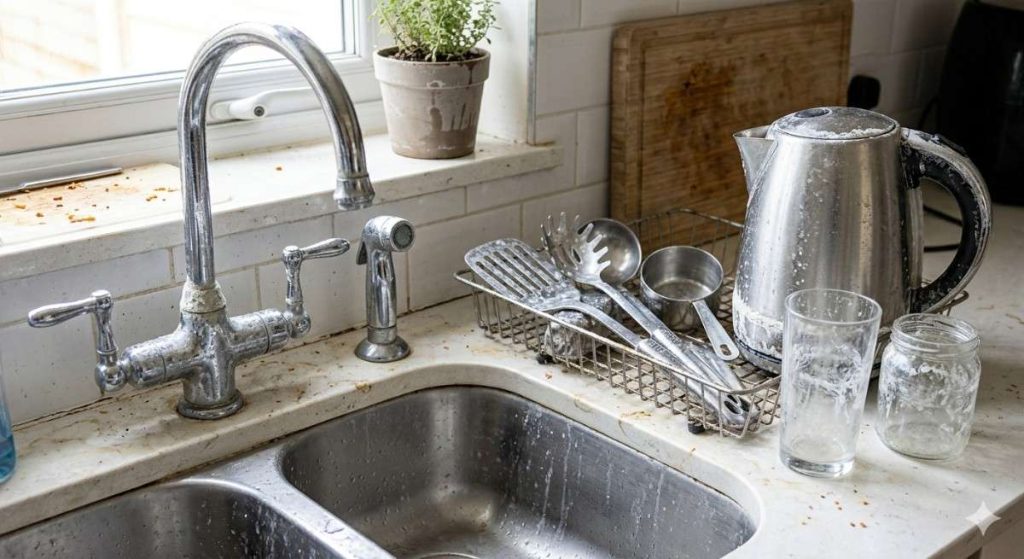
If you notice any of these signs, installing a borewell water purifier is strongly recommended.
If you notice unusual taste or odor in your drinking water, it may indicate contamination or filtration issues. You can also read our detailed guide on RO water smells bad – reasons and easy solutions to understand possible causes and fixes.
https://maxprofiltration.online/ro-water-smells-bad-reasons-easy-solutions/
Mistakes to Avoid When Buying an RO Purifier
Many homeowners make simple mistakes while choosing a water purifier.
Avoid these common errors:
Buying without testing water
Always test TDS before selecting a purifier.
Choosing the cheapest model
Low-cost purifiers may lack essential filtration stages.
Ignoring maintenance costs
Regular filter replacement is necessary for proper functioning.
Buying oversized or undersized storage tank
Choose a purifier based on your family size.
Ignoring early warning signs such as unusual noise from the purifier can lead to bigger issues later. You can also read our guide on RO making noise – causes and fixes to diagnose this problem quickly.
https://maxprofiltration.online/ro-making-noise-causes-and-fix-rea/
Expert Tips for Choosing the Right RO Purifier
As a water purification expert, here are some practical tips:
✔ Always test your borewell water first.
✔ Choose a purifier with multiple purification technologies.
✔ Look for good after-sales service and warranty.
✔ Prefer purifiers with water-saving technology.
✔ Install the purifier at the correct water pressure level.
Following these steps will help you select the best water purifier for groundwater and ensure long-term performance.
Water pressure also plays a critical role in RO filtration performance. If your home has low pressure, purification efficiency may decrease. Learn more in our guide on low water pressure in RO – expert solutions.
https://maxprofiltration.online/low-water-pressure-in-ro-expert-solutions/
How Regular RO Maintenance Ensures Safe Drinking Water
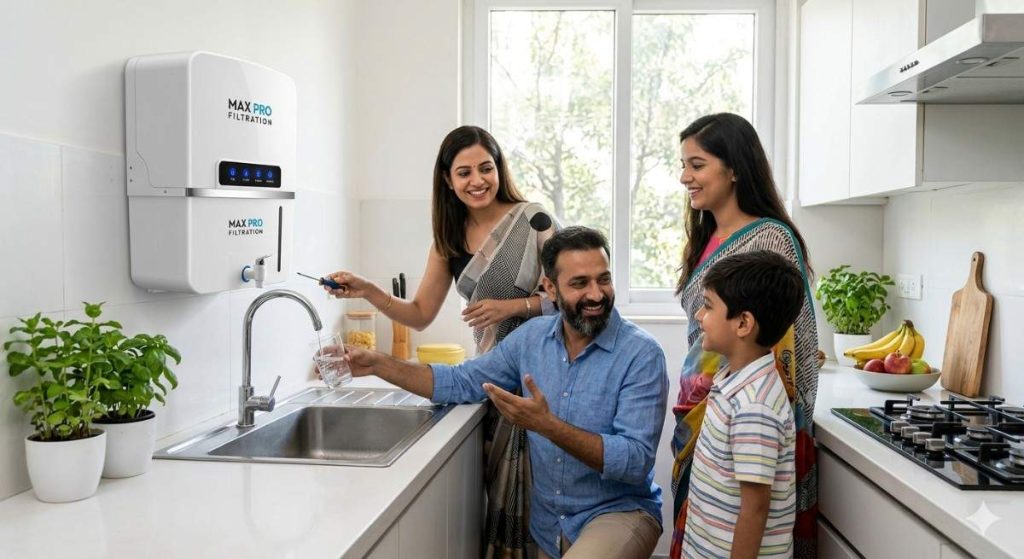
Installing the best RO for borewell water is only the first step. To keep your purifier working efficiently, regular maintenance is essential.
Over time, filters collect impurities such as sediments, chlorine, and dissolved solids. If these filters are not replaced on time, the purifier’s performance may decrease and water quality may be affected.
Typical RO maintenance includes:
- Sediment filter replacement: every 6–9 months
- Carbon filter replacement: every 9–12 months
- RO membrane replacement: every 2–3 years
- General servicing: once a year
Regular servicing ensures the borewell water purifier continues removing harmful contaminants effectively. It also helps extend the life of the purifier and maintain consistent water quality.
If you notice slow water flow, unusual taste, or noise from the purifier, it may be time to schedule a professional service check.
Keeping your RO system properly maintained ensures your family always gets clean, safe, and healthy drinking water from borewell sources.
Conclusion
Borewell water often contains high TDS, hardness, and hidden contaminants, making proper purification essential for safe drinking water.
Choosing the right RO purifier for borewell water depends on several factors including TDS levels, filtration technology, storage capacity, and maintenance requirements.
By understanding your water quality and selecting a purifier with the right combination of RO, UV, and advanced filtration technologies, you can ensure your family always has access to clean, healthy, and safe drinking water.
If you are unsure which purifier is best for your home, it is always wise to consult a professional water purification expert.
If your RO purifier stops giving water unexpectedly, it could be due to pressure issues, clogged filters, or pump failure. You can troubleshoot this problem using our step-by-step guide on RO not dispensing water – easy fix solutions.
https://maxprofiltration.online/ro-not-dispensing-water-easy-fix-solutions
Frequently Asked Questions (FAQs)
Is RO purifier necessary for borewell water?
Yes. Borewell water usually contains high TDS and dissolved minerals. An RO purifier helps remove these impurities and makes water safe for drinking.
What TDS level requires RO filtration?
If the TDS level of water is above 500 ppm, using an RO purifier is generally recommended.
Which RO is best for borewell water?
A purifier with RO + UV + UF technology is considered the best for borewell water because it removes both chemical impurities and microorganisms.
Can RO remove hardness from water?
Yes. RO membranes effectively remove calcium and magnesium, which are responsible for water hardness.
What is the best TDS level for drinking water?
According to water quality standards, 50–300 ppm TDS is considered ideal for drinking water.

Call To Action
If your home uses borewell water and you are unsure which purifier is right for you, our experts can help.
💧 Contact Max Pro Filtration today for a free water quality consultation and RO purifier recommendation.
Our team will help you choose the best RO purifier for borewell water based on your TDS level and household needs.