

Introduction: A Common Fear Many Families Have
Does RO Water Cause Mineral Deficiency? Many people ask, does RO water cause mineral deficiency if consumed daily for years?
“RO water removes minerals… is it harmful for health?”
If you’ve ever searched about RO purifiers online or spoken to someone about buying one, you’ve probably heard this concern. Many homeowners worry that drinking RO water daily might cause mineral deficiency, weakness, or long-term health problems.
This confusion is understandable. After all, we’re constantly told that minerals like calcium and magnesium are essential for our bodies. So the big question is:
👉 If RO removes minerals, does that make the water unhealthy?
In this article, we’ll uncover the scientific truth, hidden facts, and real health impact of RO water so you can make an informed decision for your family.
Scientific research shows that does RO water cause mineral deficiency is not a concern for healthy individuals.
Sometimes people also notice taste or odor issues and assume the purifier is harmful. If you’re facing this problem, you can read our detailed guide on why RO water smells bad and how to fix it.

What is RO Water?
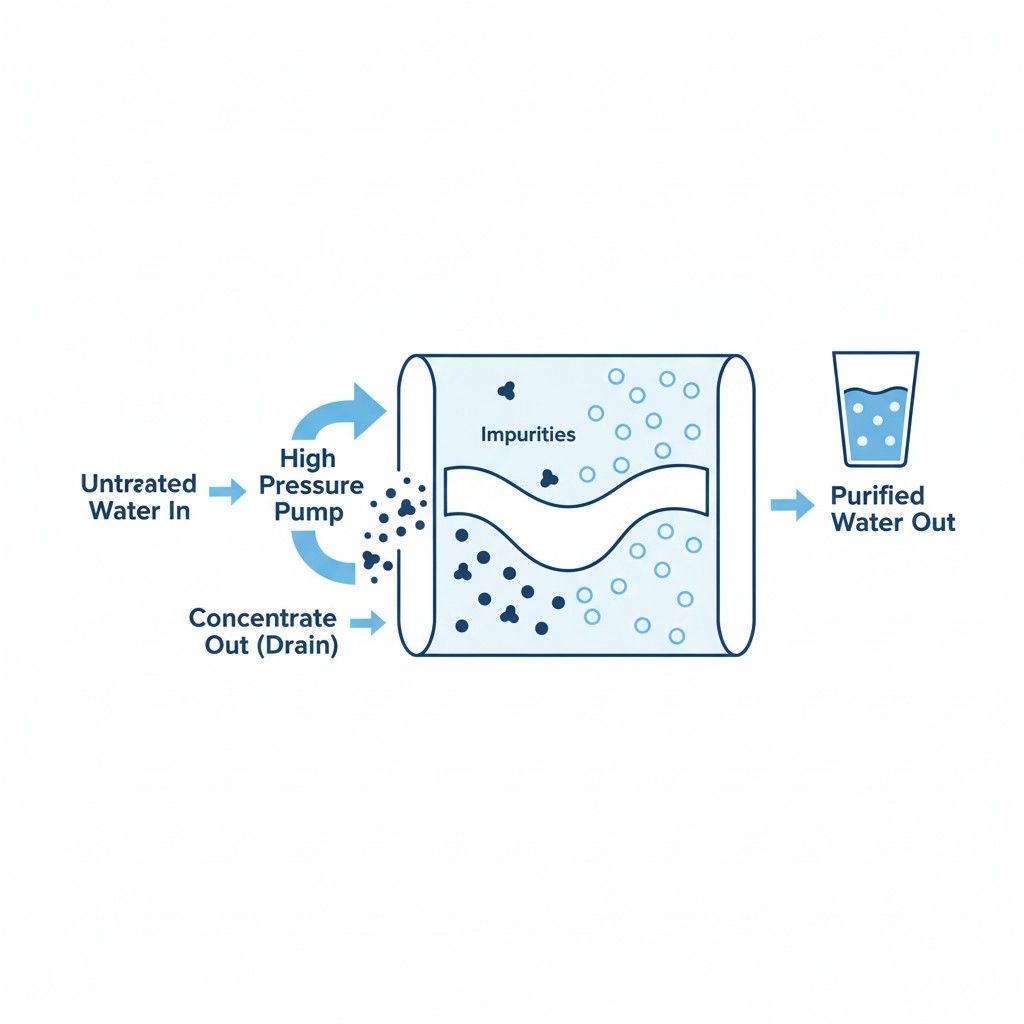
RO stands for Reverse Osmosis, a water purification technology that removes:
- Dissolved salts
- Heavy metals (lead, arsenic, mercury)
- Harmful chemicals
- Bacteria and viruses
- Excess TDS (Total Dissolved Solids)
The RO membrane has extremely tiny pores that allow only pure water molecules to pass through while blocking contaminants.
This is why RO water is considered one of the safest drinking water options, especially in areas where groundwater quality is poor.
Experts confirm that does RO water cause mineral deficiency is mostly a myth rather than a proven health risk.
If your purifier is not performing properly, understanding basic RO purifier troubleshooting can help identify common issues before they become serious.
Performance problems like low flow or no water output can affect purification quality. Here’s a helpful guide if your RO water is not dispensing properly.
Does RO Water Remove Essential Minerals?
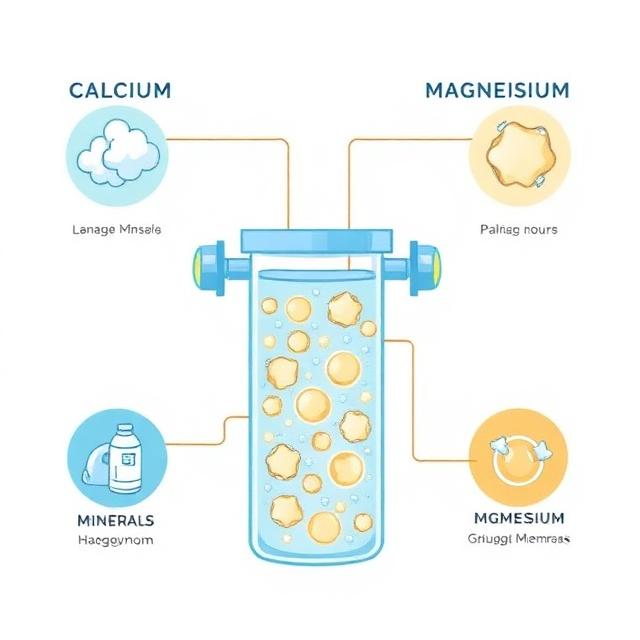
Yes — RO filtration removes not only harmful substances but also some naturally occurring minerals like:
- Calcium
- Magnesium
- Potassium
- Sodium
But here is the important truth most people don’t know:
👉 The amount of minerals removed from water is very small compared to what we get from food.
Modern RO purifiers also include:
- TDS controllers
- Mineral cartridges
- Alkaline filters
These technologies help maintain healthy mineral levels in drinking water.
So while RO does remove minerals, it does not automatically make water unhealthy.
Understanding whether does RO water cause mineral deficiency depends largely on diet and water quality.
Can Drinking RO Water Cause Mineral Deficiency? (Scientific Truth)
This is the biggest myth surrounding RO water.
Mineral deficiency does not happen simply because you drink RO water.
Why?
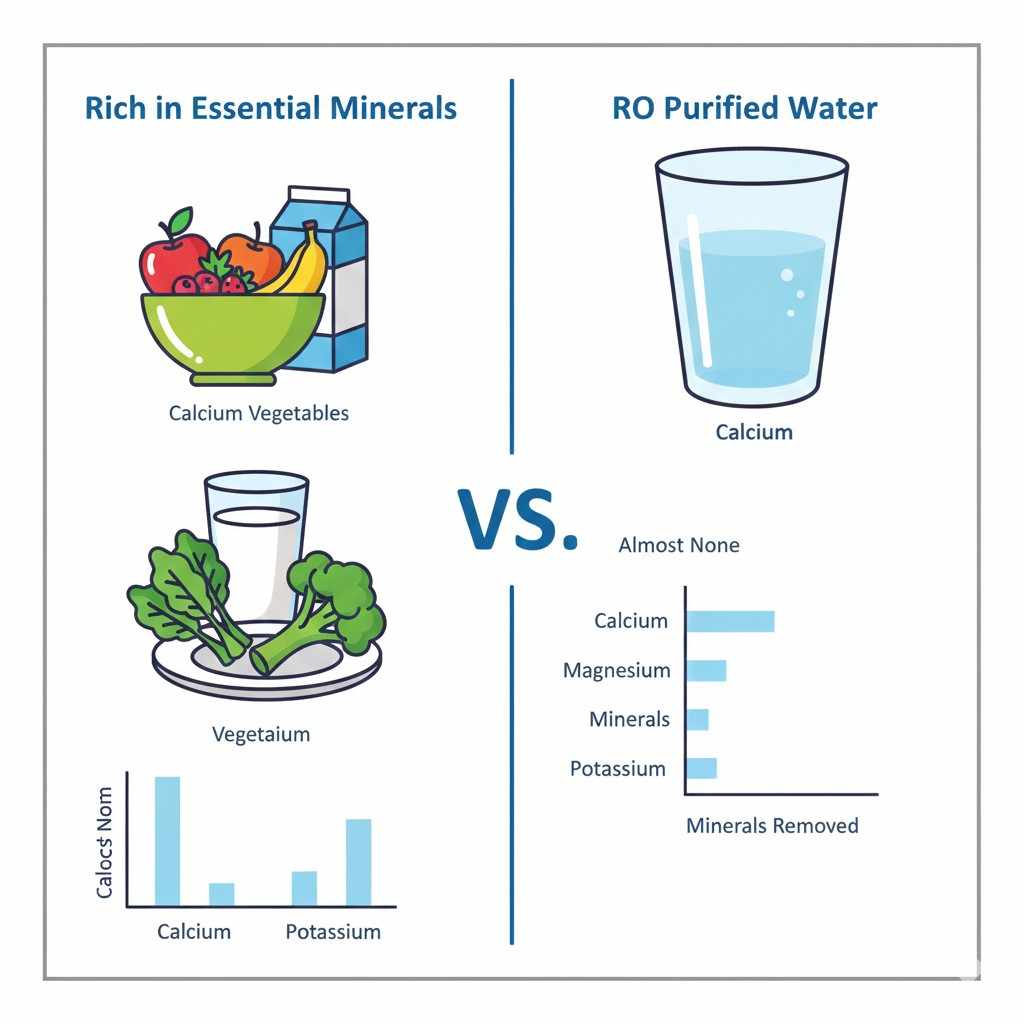
Because our body gets 90–95% of essential minerals from food, not from water.
For example:
| Source | Calcium Intake |
|---|---|
| 1 glass of milk | ~300 mg |
| 1 bowl of spinach | ~250 mg |
| 1 liter of water | ~10–50 mg |
As you can see, water contributes only a small portion.
A balanced diet easily compensates for any minerals removed during RO filtration.
Scientific research shows that does RO water cause mineral deficiency is not a concern for healthy individuals.
What Do Health Experts and Research Say About RO Water?
Many international health organizations have studied the effects of low-mineral water on the human body. The general conclusion is reassuring:
Drinking low-TDS or purified water does not automatically cause mineral deficiency in healthy individuals who consume a balanced diet.
The human body regulates minerals through food intake, absorption efficiency, and kidney function. Even if drinking water contains fewer minerals, your body compensates easily through nutrition.
Some research discussions mention that extremely low-mineral water (very close to distilled water) consumed over long periods without proper diet might slightly affect electrolyte balance. However, this situation is rare in real life because:
- Modern RO systems maintain moderate TDS levels
- People consume minerals from daily meals
- Drinking water is not the primary mineral source
Understanding whether does RO water cause mineral deficiency depends largely on diet and water quality.
So the fear that RO water alone can cause deficiency is largely exaggerated.
Experts confirm that does RO water cause mineral deficiency is mostly a myth rather than a proven health risk.
When Problems Could Occur
Mineral deficiency might happen only if:
- A person has poor nutrition
- Drinks extremely low-TDS water (<30 ppm) long term
- Uses poorly maintained RO systems
In normal conditions, RO water is safe for healthy individuals.
So, when people worry about does RO water cause mineral deficiency, they often ignore the importance of nutrition.
Where Do Our Body Minerals Actually Come From?
Many people assume drinking water is the main source of minerals, but that’s not true.
Your body gets minerals mainly from:
✅ Fruits
✅ Vegetables
✅ Dairy products
✅ Grains
✅ Nuts and seeds
✅ Meat and pulses
Even doctors recommend improving diet rather than relying on water for minerals.
So blaming RO water for mineral deficiency is usually misleading
Minerals from Food vs Water: A Practical Comparison
To understand this better, let’s compare typical daily intake sources.
A normal adult needs approximately:
- Calcium: 1000 mg/day
- Magnesium: 300–400 mg/day
- Potassium: 3500 mg/day
Now compare that with drinking water contribution:
Even mineral-rich water usually provides only 5–10% of daily mineral needs.
For example:
- 1 banana contains more potassium than several liters of water
- A glass of milk provides more calcium than most drinking water sources
- Nuts and seeds are extremely rich in magnesium
This clearly shows that improving diet quality is far more important than worrying about minerals removed by RO filtration.
Is RO Water Safe for Daily Drinking?
Yes — RO water is safe for daily consumption when:
- TDS level is maintained between 50–150 ppm
- The purifier is serviced regularly
- Filters are replaced on time
In fact, RO water may be safer than untreated water because it removes:
- Heavy metals
- Chemical contaminants
- Microorganisms
This significantly reduces the risk of waterborne diseases.
Ideal TDS Level: How Much is Too Low or Too High?
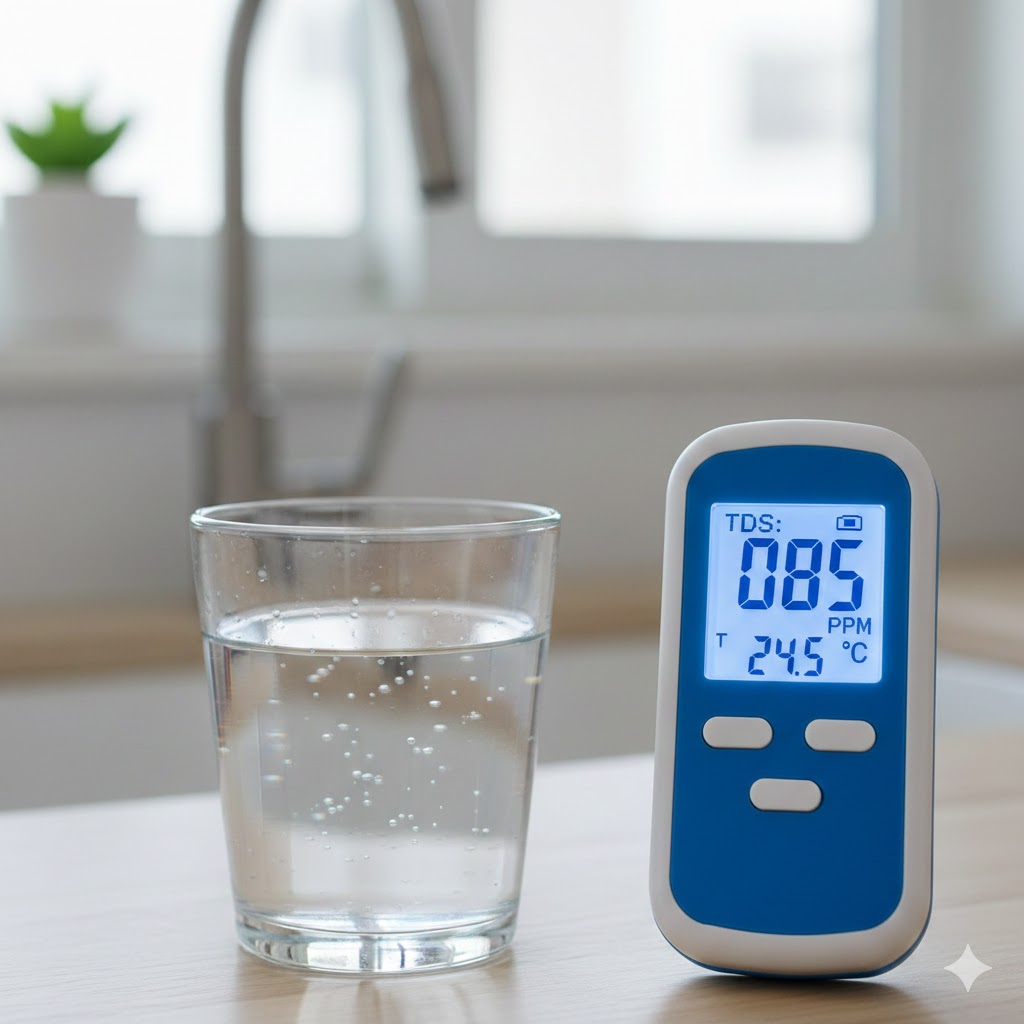
TDS (Total Dissolved Solids) plays a major role in drinking water quality.
Here’s a simple guideline:
| TDS Level | Water Quality |
|---|---|
| Below 30 ppm | Very low minerals (not necessary) |
| 50–150 ppm | Ideal drinking range |
| 150–300 ppm | Acceptable |
| Above 300 ppm | Needs purification |
Very high TDS water can contain excess salts, heavy metals, and impurities, which may harm health over time.
On the other hand, extremely low TDS water is not harmful short term but also not required. That’s why experts recommend maintaining balanced mineral levels using a TDS controller.
Experts confirm that does RO water cause mineral deficiency is mostly a myth rather than a proven health risk.
7 Benefits of Drinking RO Water
Here are some major advantages that many people overlook:
1. Removes Harmful Contaminants
RO eliminates pesticides, arsenic, fluoride excess, and heavy metals.
2. Improves Taste and Odor
Bad smell and salty taste are reduced significantly.
3. Protects Kidney Health
Lower impurity levels reduce stress on kidneys.
4. Safe for Children and Elderly
Purified water is especially important for sensitive immune systems.
5. Helps Reduce Waterborne Diseases
RO removes bacteria and viruses effectively.
6. Balanced TDS with Modern Technology
New systems maintain healthy mineral levels.
7. Better Than Untreated Borewell Water
In many Indian regions, groundwater quality is poor, making RO necessary.
Hidden Health Advantages Most People Don’t Know

Apart from removing contaminants, RO purification provides several indirect health benefits:
✔ Reduces Exposure to Heavy Metals
Contaminants like lead and arsenic can accumulate in the body over time. RO significantly reduces this risk.
✔ Supports Digestive Health
Clean water free from microbes helps prevent stomach infections and gastrointestinal issues.
✔ Better Hydration
Purified water often tastes better, encouraging people to drink more water, which improves hydration levels.
✔ Safer for Cooking
Using purified water in cooking reduces chemical exposure in food preparation.
✔ Peace of Mind
Knowing your water is safe reduces stress and health anxiety for families.
These benefits often outweigh concerns about mineral removal.
When RO Water Might Not Be Necessary
RO is not always required.
You may not need an RO purifier if:
- Your water TDS is below 150 ppm
- Municipal water is already treated properly
- No heavy metal contamination exists
In such cases, UV or UF purification may be sufficient.
Testing your water quality before buying a purifier is always the best approach.
How to Ensure Healthy RO Drinking Water
If you want safe and healthy RO water, follow these expert tips:
✔ Use a TDS Controller
Maintains mineral balance in purified water.
✔ Choose a Mineral Cartridge System
Adds essential minerals back after filtration.
✔ Maintain TDS Between 50–150 ppm
Ideal for drinking purposes.
✔ Regular Servicing is Critical
Replace filters every 6–12 months depending on usage.
✔ Avoid Very Low TDS Water

Extremely pure water (<30 ppm) is unnecessary for drinking.
Signs Your RO Water May Need Attention
Many health concerns arise not because of RO technology itself, but due to poor maintenance.
Watch for these warning signs:
- Very flat or unusual taste
- Slow water flow
- Bad odor from purifier
- TDS reading extremely low or very high
- Filters not replaced for over a year
Regular servicing ensures:
- Proper mineral balance
- Safe purification
- Longer purifier lifespan
- Better water taste
Neglecting maintenance can reduce water quality regardless of brand.
Leakage is another common issue that should never be ignored. Learn how to fix water leaking from RO purifier before it damages your system.
Common Myths About RO Water (Myth vs Fact)
Myth 1: RO water causes mineral deficiency
✅ Fact: Diet provides most minerals, not water.
Myth 2: RO water is unhealthy long term
✅ Fact: Properly maintained RO water is safe.
Myth 3: Natural water is always better
✅ Fact: Natural sources may contain harmful contaminants.
Myth 4: RO water weakens bones
✅ Fact: No strong scientific evidence supports this claim.
Myth 5: Everyone should avoid RO
Fact: In high-TDS areas, RO is highly beneficial.
Scientific research shows that does RO water cause mineral deficiency is not a concern for healthy individuals.
Who Should Definitely Use RO Water?
RO purification is especially recommended for:
- Areas with high TDS water (>300 ppm)
- Borewell or tanker water users
- Regions with fluoride or arsenic contamination
- Industrial or polluted environments
- People with weak immunity
If your local water quality is questionable, RO is often the safest option.
Expert Tips for Choosing the Right RO System
Here’s how to select a good purifier:
- Check your water TDS before buying.
- Choose a purifier with TDS controller.
- Look for multi-stage purification (RO + UV + UF).
- Ensure service availability in your area.
- Avoid extremely cheap models with poor filters.
- Select storage capacity based on family size.
Investing in a reliable system protects your family’s health long term.
Experts confirm that does RO water cause mineral deficiency is mostly a myth rather than a proven health risk.
Special Considerations: Children, Elderly, and Athletes
Some people worry whether RO water is suitable for vulnerable groups.
Here’s the truth:
Children
Safe to drink if TDS is balanced. Nutrition from food matters more for growth.
Elderly People
Purified water may actually be safer because immunity is weaker.
Athletes
Athletes lose electrolytes through sweat, but these should be replaced through diet or electrolyte drinks — not drinking water alone.
So RO water remains safe across age groups when used properly.
Understanding whether does RO water cause mineral deficiency depends largely on diet and water quality.
FAQs (SEO Featured Snippet Friendly)
Does RO water remove all minerals?
RO removes most dissolved minerals, but modern purifiers add healthy minerals back using cartridges.
Is RO water good for health?
Yes, when properly maintained and balanced with correct TDS levels.
What is the ideal TDS level for drinking water?
Generally between 50–150 ppm for safe consumption.
Can RO water cause weakness?
No, weakness usually results from poor diet, not purified water.
Is mineral water better than RO water?
Both can be safe. RO is better for removing contaminants, while mineral water contains added minerals.
Can children drink RO water daily?
Yes, properly balanced RO water is safe for children.
Typically every 6–12 months depending on usage and water quality.
Regular RO purifier maintenance not only improves water quality but also increases the lifespan of your system.
The Real Problem Isn’t RO — It’s Water Quality Ignorance
In many regions, groundwater contains:
- High fluoride
- Nitrates
- Industrial chemicals
- Heavy metals
- Microbial contamination

Drinking untreated water in such areas poses far greater health risks than mineral removal concerns.
The goal should not be avoiding RO, but ensuring safe, balanced, and properly maintained drinking water.
Conclusion: The Real Truth About RO Water and Health
How often should RO filters be replaced?
So, does RO water cause mineral deficiency?
👉 The honest answer is No — not for people with a normal diet and properly maintained purifier.
Most minerals your body needs come from food, not water. RO purification mainly protects you from harmful contaminants, which is far more important for health.
Instead of worrying about minerals in water, focus on:
- Balanced nutrition
- Proper purifier maintenance
- Correct TDS levels
Safe water and good food together create the healthiest lifestyle.
So, does RO water cause mineral deficiency? The clear answer is no for most people using a properly maintained purifier and consuming a balanced diet. The real health priority should always be safe, clean, and contaminant-free drinking water.
Understanding whether does RO water cause mineral deficiency depends largely on diet and water quality.
Many people ask, does RO water cause mineral deficiency if consumed daily for years?
If your RO purifier is not serviced regularly, it may not provide safe water.
✅ Book professional RO service today
✅ Check your water TDS level
✅ Ensure healthy mineral balance for your family
Clean water is not a luxury — it’s a necessity.
Whether you need installation, repair, or maintenance, professional RO installation and service ensures your family always gets safe and healthy drinking water.https://maxprofiltration.com/