

Introduction
Water quality plays an important role in our daily life, from drinking and cooking to bathing and cleaning. One common question many homeowners ask is the difference between hard water vs soft water and how it affects health, appliances, and household tasks. While both types of water are generally safe to use, they behave very differently because of the minerals they contain.
Understanding hard water vs soft water is important for every homeowner. The difference between hard water vs soft water affects your skin, hair, plumbing, and even household appliances. Many people face daily problems like soap not lathering properly, scale buildup in kettles, or dry skin without realizing that hard water could be the cause.
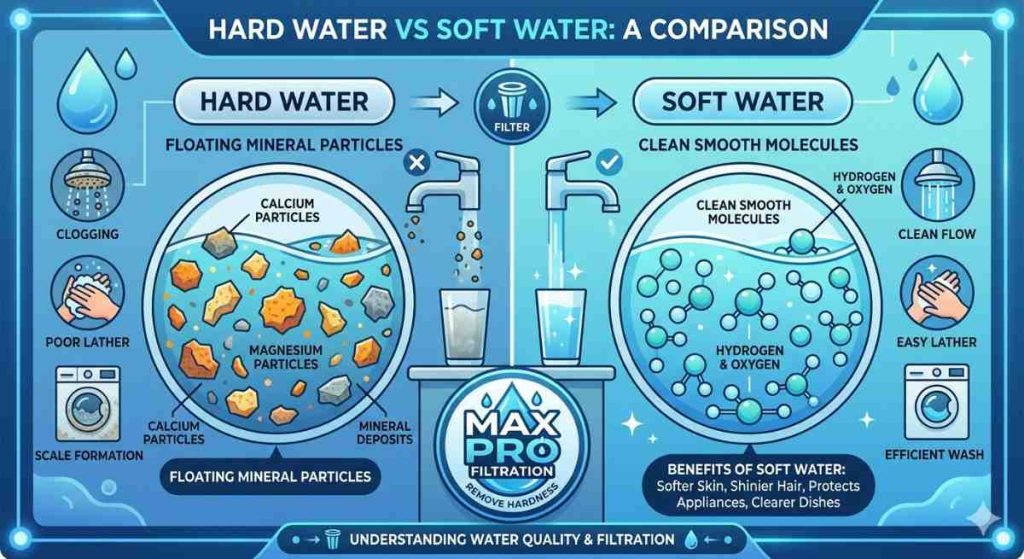
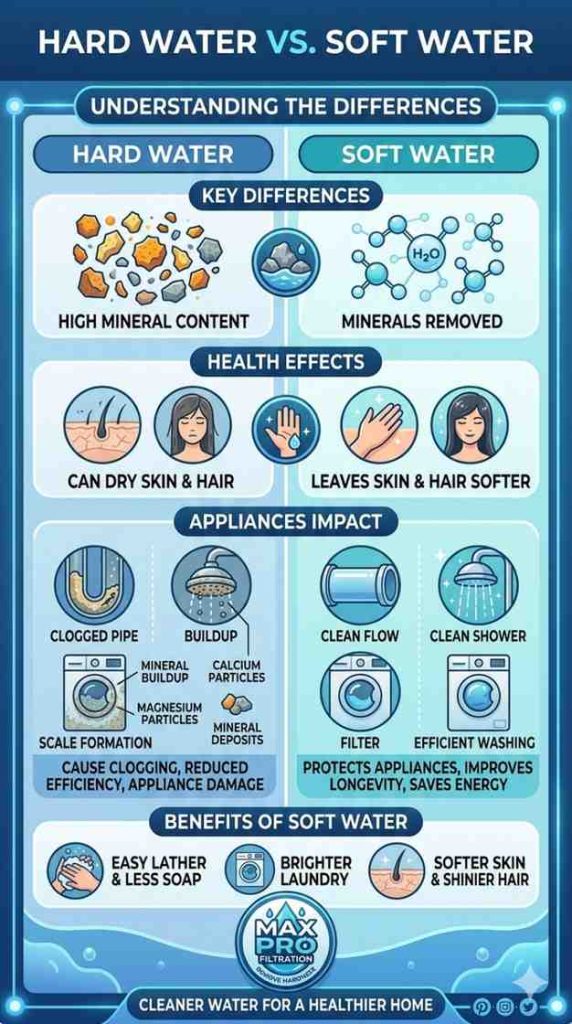
Hard water contains higher levels of minerals like calcium and magnesium, while soft water has very low mineral content. These differences may seem small, but they can significantly affect your plumbing, skin, hair, and even the lifespan of home appliances such as water heaters and washing machines.
Many households facing water quality problems install an RO water purifier to remove dissolved minerals and impurities from drinking water.
Understanding the difference between hard water and soft water can help you make better decisions about water treatment solutions such as water softeners or RO purifiers. In areas where groundwater has a high mineral content, homeowners often face issues like scale buildup, dry skin, and inefficient cleaning.
In this guide, we will clearly explain hard water vs soft water, their key differences, health effects, common household problems, and practical solutions to improve water quality at home.
What is Hard Water? in Hard Water vs Soft Water Comparison
Hard water is water that contains a high concentration of dissolved minerals, mainly calcium and magnesium. These minerals naturally enter the water when it passes through soil and rock formations such as limestone, chalk, or gypsum.
Because groundwater travels through mineral-rich layers underground, it dissolves these elements and carries them into household water supplies. As a result, many regions that rely on groundwater often experience hard water problems at home.
Minerals Responsible for Hard Water
The main minerals responsible for water hardness include:
- Calcium carbonate
- Magnesium carbonate
- Bicarbonates
- Sulfates
These minerals are not harmful to drink, but they can cause several household issues such as limescale buildup and soap inefficiency.
Common Sources of Hard Water
Hard water commonly comes from:
- Groundwater sources
- Borewells and tube wells
- Mineral-rich underground aquifers
Areas Where Hard Water is Common
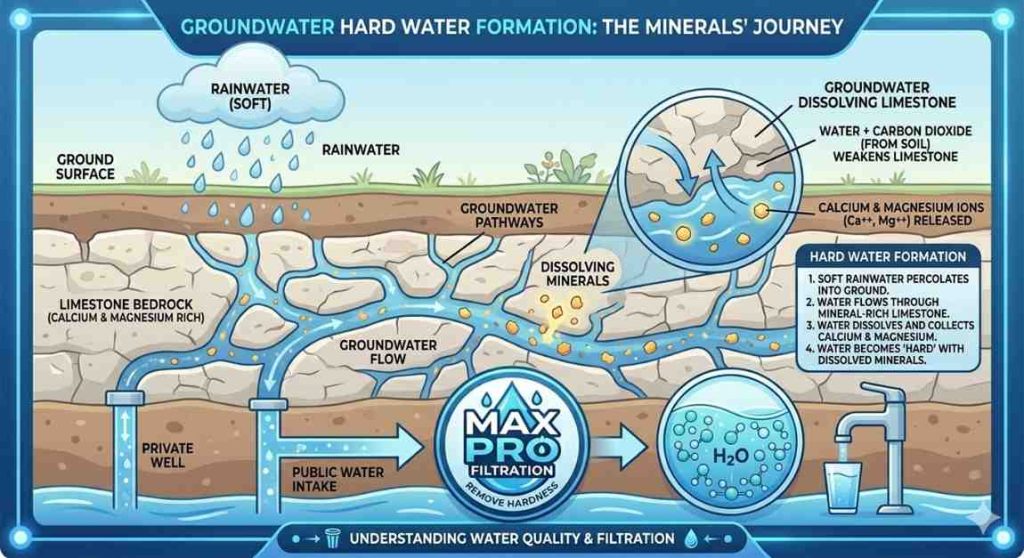
Hard water is common in many parts of the world, especially in regions with limestone-rich geology. In India, several states frequently experience hard water due to underground mineral deposits.
What is Soft Water?
Soft water is water that contains very low levels of calcium and magnesium minerals. Because these minerals are absent or significantly reduced, soft water behaves differently in everyday household activities.
Soft water allows soaps and detergents to dissolve easily, which leads to better cleaning and less residue on surfaces.
How Soft Water is Formed
Soft water can occur naturally or be produced through water treatment processes.
Natural soft water sources include:
- Rainwater
- Surface water from lakes and rivers
However, many households obtain soft water through water treatment systems that remove hardness minerals.
Natural vs Treated Soft Water
Natural Soft Water
- Rainwater or surface water
- Low mineral concentration
Treated Soft Water
- Produced using water softeners or RO systems
- Minerals removed through filtration or ion exchange
Treated soft water is commonly used in homes to reduce hard water problems at home.
Hard Water vs Soft Water (Key Differences)
| Feature | Hard Water | Soft Water |
|---|---|---|
| Mineral Content | High calcium and magnesium | Very low mineral content |
| Taste | Slightly mineral taste | Often smoother taste |
| Effect on Skin & Hair | Can cause dryness and rough hair | Leaves skin and hair smoother |
| Effect on Appliances | Causes scale buildup | Helps appliances last longer |
| Soap Lathering | Soap does not lather easily | Soap lathers quickly |
| Plumbing Impact | Mineral deposits clog pipes | Minimal pipe buildup |
This table clearly explains the difference between hard water and soft water and why many homeowners prefer softer water for daily household use.
When comparing hard water vs soft water, the biggest difference is mineral content. Hard water contains calcium and magnesium, while soft water has very low levels of these minerals. Because of this, hard water vs soft water behaves differently when used for bathing, cleaning, and washing clothes
Signs You Have Hard Water at Home
Many people do not realize they have hard water until they start noticing certain household problems. If you observe the following signs, your home may be receiving hard water.
1. White Spots on Utensils
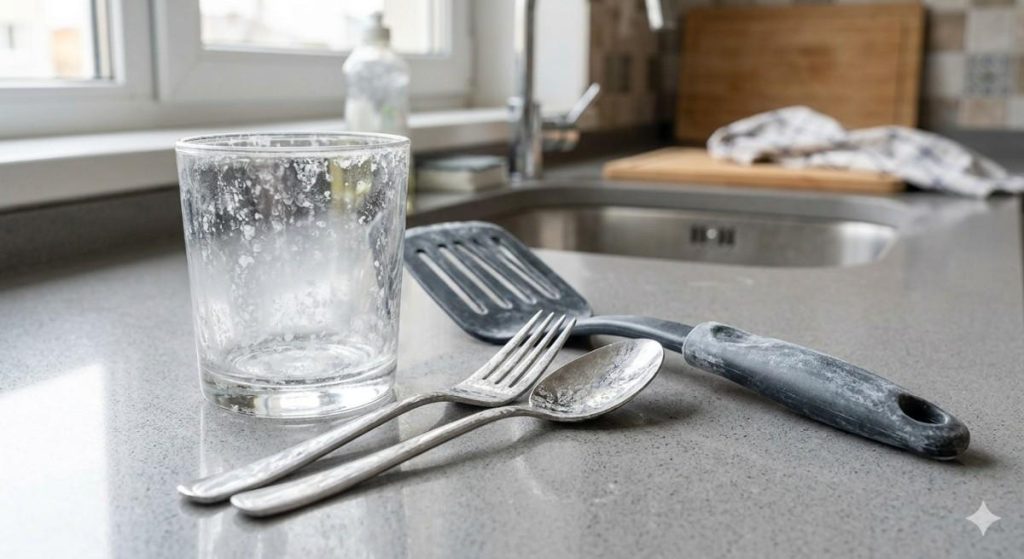
One of the most visible signs of hard water is white or chalky spots on glassware and utensils after washing.
2. Soap Not Lathering Properly
Hard water reduces soap efficiency. You may need more soap or shampoo to produce foam.
3. Dry Skin and Hair
The effects of hard water on skin can include dryness, irritation, and dull hair.
4. Scale Buildup in Kettles
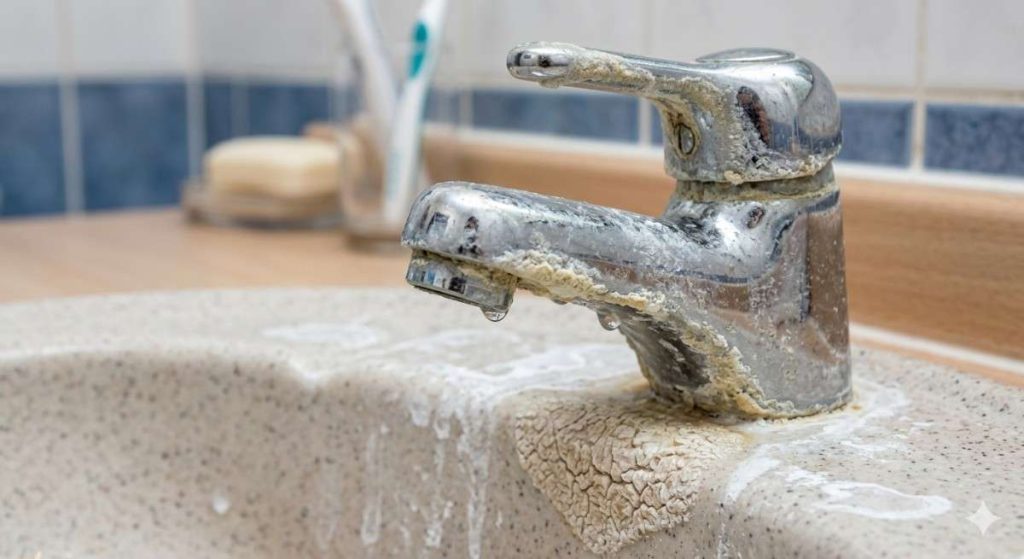
Hard water leaves mineral deposits called limescale inside kettles, water heaters, and coffee machines.
5. Reduced Water Pressure
Over time, mineral buildup inside pipes can restrict water flow and reduce pressure.
Effects of Hard Water on Health & Home
Hard water is generally safe to drink, but it can cause several problems around the house.
Skin Dryness
One of the most common effects of hard water on skin is dryness. Mineral residue left on the skin may cause irritation for some people.
Hair Damage
Hard water minerals can make hair feel rough, dull, and difficult to manage.
Plumbing Issues
Over time, limescale buildup can clog pipes and reduce water flow.
Appliance Scaling
Appliances that heat water are particularly vulnerable to mineral deposits. Hard water can shorten the lifespan of:
- Water heaters
- Dishwashers
- Washing machines
Higher Detergent Usage
Because soap reacts with minerals in hard water, households often use more detergents and cleaning products.
Is Hard Water Safe to Drink?
One common concern people have is whether hard water is safe for drinking?
In most cases, hard water is safe to drink because the minerals present in it are not harmful. Calcium and magnesium are actually essential nutrients that support bone health.
Well in some cases it is clearly NO
Health organizations such as the World Health Organization (WHO) state that drinking hard water does not pose significant health risks for most people.
However, extremely high mineral concentrations can sometimes affect taste or cause scaling issues in appliances. For this reason, many households choose filtration systems to balance mineral levels.
Benefits of Soft Water
Soft water offers several advantages in daily household use.
Better Soap Lather
Soap dissolves easily in soft water, making cleaning more efficient.
Smooth Skin and Hair
Soft water does not leave mineral residue on skin or hair, which can result in a smoother feeling after bathing.
Longer Appliance Life
Because soft water does not create scale deposits, appliances tend to last longer.
Cleaner Utensils
Soft water reduces spots and residue on dishes and glassware.
These benefits explain why many households install systems designed for how to soften hard water.
How to Convert Hard Water into Soft Water
If your home has hard water, several effective solutions can help reduce mineral content.
1. Water Softeners
Water softeners are one of the most common solutions for treating hard water.
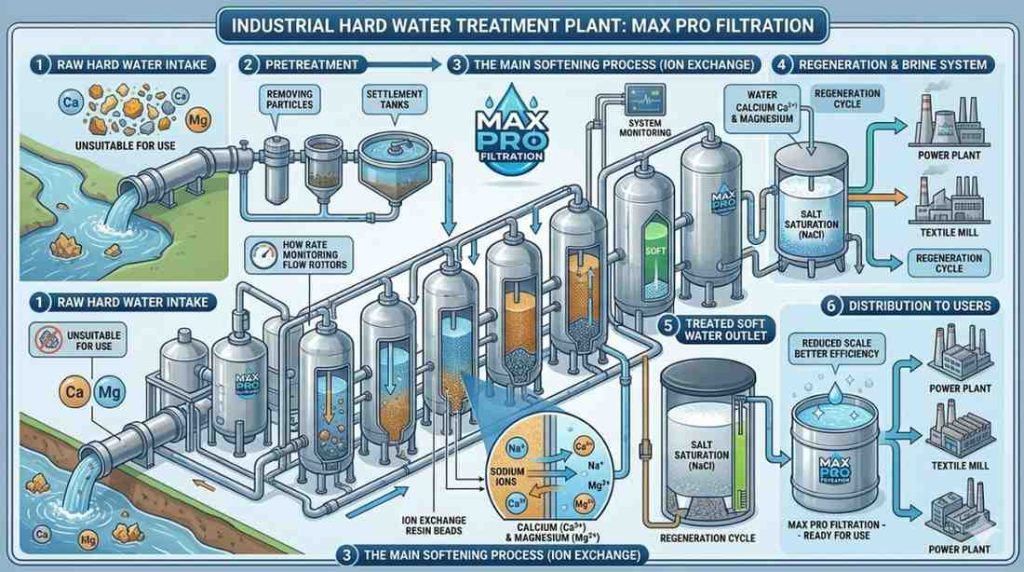
They work through a process called ion exchange, where calcium and magnesium ions are replaced with sodium ions.
2. RO Water Purifiers
Reverse Osmosis (RO) systems remove dissolved minerals, impurities, and contaminants from water. They are commonly used for drinking water purification.
3. Ion Exchange Systems
Ion exchange technology is widely used in household and industrial water treatment systems to remove hardness minerals.
Choosing the right solution depends on your water quality and household needs.
Hard Water vs Soft Water — Which Is Better?
When comparing hard water vs soft water, the answer depends on how the water will be used.
For Drinking
Hard water can be beneficial because it contains minerals such as calcium and magnesium. However, extremely hard water may affect taste.
For Household Use
Soft water is generally better for cleaning, bathing, and protecting appliances because it prevents scale buildup.
Practical Advice for Homeowners
Many households prefer a balanced approach:
- Use RO water for drinking
- Use softened water for household tasks
This combination provides both mineral balance and appliance protection.
Final Conclusion
Understanding the hard water vs soft water difference is important for maintaining a healthy home and efficient appliances. Hard water contains minerals like calcium and magnesium, which can lead to scale buildup, dry skin, and plumbing issues. Soft water, on the other hand, contains fewer minerals and offers advantages such as better cleaning, smoother skin, and longer appliance lifespan.
Although hard water is usually safe to drink, excessive mineral content may cause household problems over time. Installing water treatment solutions like water softeners or RO purifiers can help improve water quality and reduce these issues.
By identifying the signs of hard water and choosing the right treatment system, homeowners can enjoy cleaner water, healthier appliances, and a more comfortable living environment.
For best consultation connect with us MAX PRO FILTRATION
FAQ Section
1. What is the main difference between hard water and soft water?
The main difference is mineral content. Hard water contains high levels of calcium and magnesium, while soft water contains very low mineral concentrations.
2. Is hard water bad for your skin?
Hard water may cause dryness and irritation for some people because mineral residue can remain on the skin after bathing.
3. Is hard water safe for drinking?
Yes, hard water is generally safe to drink and often contains beneficial minerals such as calcium and magnesium.
4. How can I soften hard water at home?
You can soften hard water using water softeners, ion exchange systems, or RO water purifiers.