
How AI and IoT Are Revolutionizing Reverse Osmosis Water Treatment Plants in 2026
Water treatment plants are under more pressure than ever. Rising energy costs, stricter environmental regulations, water scarcity, and increasing industrial demand are forcing plant operators to rethink how reverse osmosis (RO) systems are designed and managed.AI & Smart Technology in Water Treatment Plants
In 2026, AI in water treatment and IoT-based water treatment technologies are no longer futuristic concepts — they are becoming the backbone of modern, high-performance facilities. From predictive maintenance in RO systems to cloud-based performance analytics, smart technologies are transforming traditional plants into data-driven, self-optimizing assets.
This article explores how AI and IoT are reshaping reverse osmosis plants, the measurable impact on operations, and why forward-thinking organizations are upgrading to smart RO plant infrastructure today.
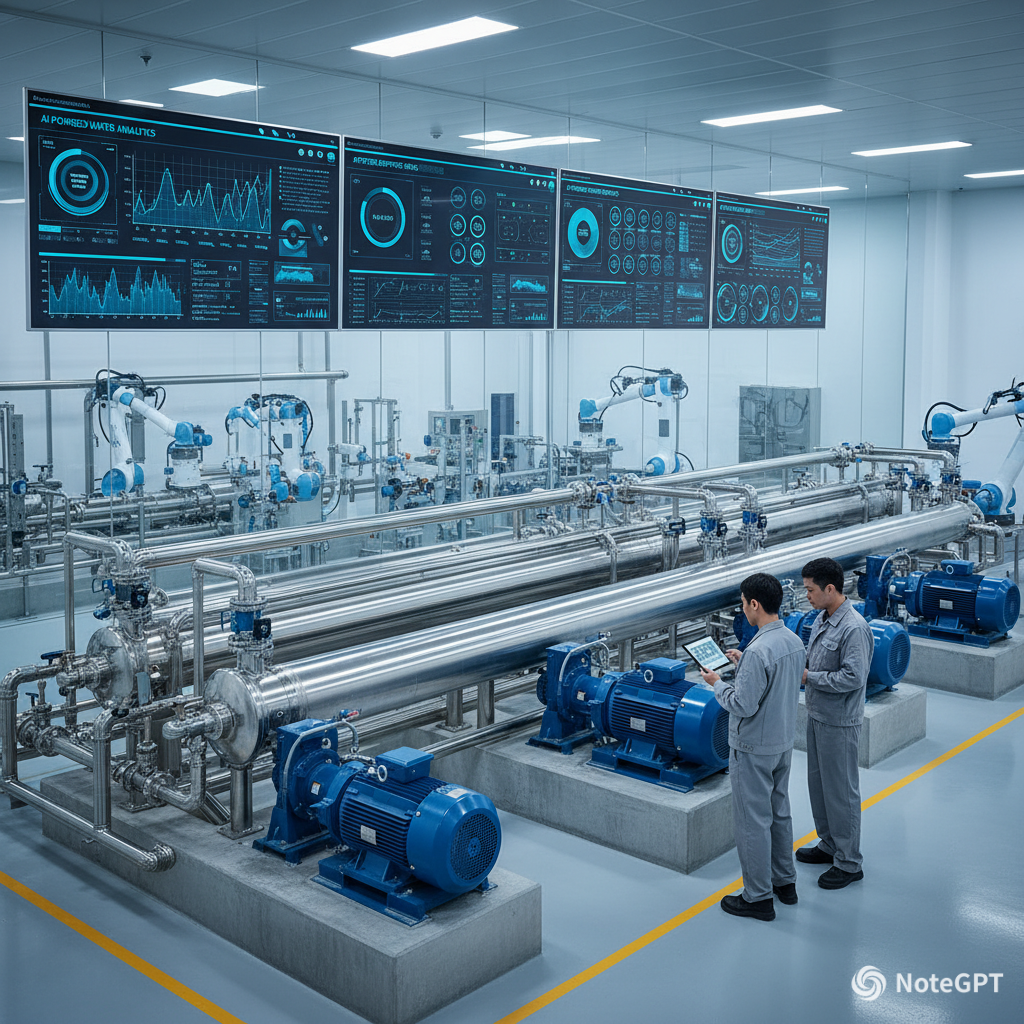
The Operational Limitations of Traditional RO Plants
Despite decades of engineering advancements, traditional RO plants still rely heavily on manual oversight and fixed operating parameters.
1. Energy Inefficiency
Reverse osmosis requires high-pressure pumps to force water through membranes. In many industrial and desalination facilities, energy represents:
- 30–60% of total operating costs
- The largest contributor to carbon footprint
Without dynamic optimization, pumps often operate above optimal pressure levels, leading to unnecessary power consumption.
2. Membrane Fouling and Scaling
Membrane fouling is one of the most persistent issues in RO plants.
Common causes include:
- Biofouling
- Scaling
- Colloidal particles
- Organic buildup
Traditional systems detect fouling only after performance drops significantly. By then, recovery is expensive and sometimes irreversible.
3. Reactive Maintenance Model
Most conventional plants follow:
- Time-based maintenance schedules
- Manual inspection logs
- Reactive breakdown repairs
This approach results in:
- Unexpected shutdowns
- Production delays
- Higher spare part costs
4. Inconsistent Chemical Dosing
Manual or static dosing systems fail to adapt to:
- Seasonal feedwater changes
- Fluctuating TDS levels
- Temperature variations
This often leads to either underdosing (risking scaling) or overdosing (wasting chemicals and increasing discharge load).
5. Limited Data Visibility
Traditional SCADA systems provide monitoring — but not intelligence.
Operators can see what is happening, but not:
- Why it is happening
- What will happen next
- How to prevent it
This gap is exactly where AI and IoT create transformation.
How AI Is Transforming Reverse Osmosis Plants in 2026
Artificial Intelligence is enabling smarter decision-making across every stage of RO operations.
1. Predictive Maintenance in RO Systems
One of the most impactful applications of AI in water treatment is predictive maintenance.
Instead of reacting to failures, AI models analyze:
- Pressure trends
- Flow variations
- Motor vibration data
- Historical membrane performance
- Pump energy patterns
Using machine learning algorithms, systems can predict component failure weeks in advance.
Real Impact:
- Up to 40% reduction in unplanned downtime
- 20–30% lower maintenance costs
- Extended equipment life by 15–25%
Plant managers now receive early warnings before pumps overheat or membranes reach critical fouling levels.
2. Membrane Performance Optimization
Membrane replacement is one of the highest recurring costs in RO plants.
AI-driven systems continuously analyze:
- Transmembrane pressure (TMP)
- Salt rejection rates
- Permeate flow
- Feedwater quality trends
Using adaptive algorithms, smart systems recommend:
- Optimal cleaning cycles (CIP timing)
- Flow adjustments
- Pressure optimization
- Recovery rate tuning
Result:
- 20–35% longer membrane lifespan
- Improved salt rejection stability
- Reduced chemical cleaning frequency
Instead of fixed schedules, membranes are cleaned only when needed — not too early, not too late.
3. Automated Chemical Dosing
In traditional plants, chemical dosing for antiscalants, pH correction, and biocides often follows fixed-rate settings.
AI-powered systems adjust dosing dynamically based on:
- Feedwater variability
- TDS levels
- Seasonal changes
- Flow fluctuations
Benefits:
- 10–25% reduction in chemical usage
- Improved scaling control
- Reduced environmental discharge impact
This not only lowers costs but also strengthens compliance with environmental regulations.
4. Energy Consumption Optimization
Energy is the largest cost driver in most RO facilities.
AI systems analyze:
- Pump efficiency curves
- Pressure requirements
- Recovery ratios
- Load fluctuations
By continuously optimizing operating parameters, AI can:
- Reduce energy consumption by 15–30%
- Optimize high-pressure pump speeds
- Improve energy recovery device efficiency
In desalination plants, even a 5% improvement can translate into millions in annual savings.
5. Advanced Fault Detection Systems
AI algorithms can identify anomalies invisible to the human eye.
For example:
- Gradual membrane fouling patterns
- Micro-leaks in pipelines
- Sensor drift
- Pump cavitation trends
These systems generate real-time alerts before minor issues escalate into costly shutdowns.
This is the foundation of smart water management 2026 — proactive, data-driven, and self-learning.
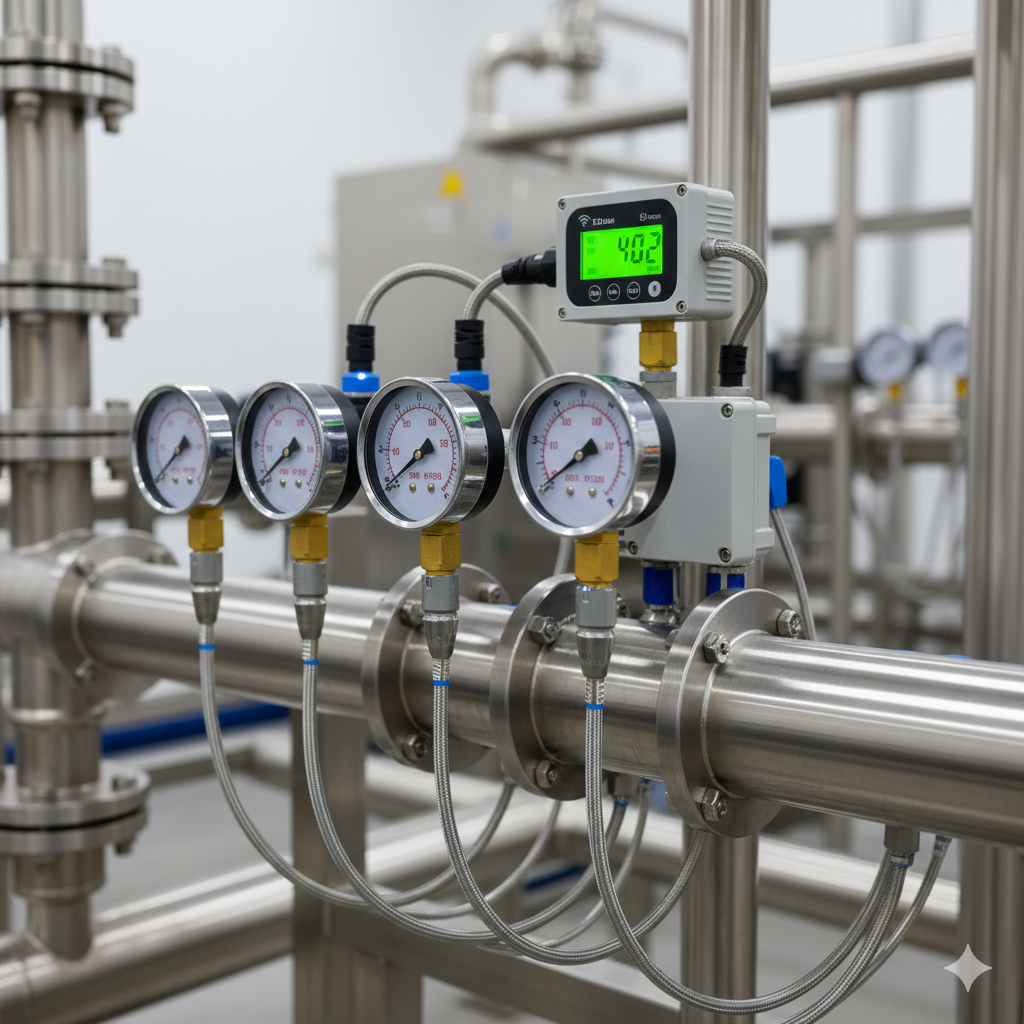
IoT Infrastructure Section
How IoT Enables Smart RO Plant Monitoring
While AI analyzes and predicts, IoT devices collect the data that makes intelligence possible.
1.Real-Time Remote Monitoring Dashboards
Modern smart RO plants use centralized dashboards accessible via desktop or mobile devices.
Operators can monitor:
- Flow rate
- Pressure
- TDS levels
- pH
- Conductivity
- Pump status
In multi-site operations, a single dashboard can monitor multiple plants across cities or countries.
2.Smart Sensors
IoT-based water treatment relies on advanced sensor networks:
- Pressure sensors
- Flow meters
- TDS meters
- pH probes
- Temperature sensors
- Vibration sensors
These sensors transmit real-time data to cloud platforms for AI processing.
Compared to traditional monitoring:
- Data collection frequency improves by 10x–50x
- Manual inspection errors are eliminated
- Real-time transparency improves decision-making
3. Cloud-Based Analytics
Cloud infrastructure enables:
- Long-term performance tracking
- Benchmarking across facilities
- Data visualization
- Automated reporting for compliance
Municipal authorities benefit from real-time reporting aligned with environmental standards.
4. Mobile Alerts and Automation
Operators now receive:
- SMS alerts
- App notifications
- Email warnings
Automation systems can also:
- Trigger auto-shutdowns
- Adjust pump speeds
- Activate backup systems
This drastically reduces response time during critical events.
Industry Applications
Real-World Applications in 2026
AI and IoT adoption is accelerating across multiple sectors:
- Industrial Manufacturing
Used in power plants, automotive factories, and heavy industries to ensure consistent water quality and reduce operational costs.
- Municipal Water Authorities
Smart RO systems ensure compliance with stricter discharge norms and improve public water supply reliability.
- Pharmaceutical Industry
Ultra-pure water systems benefit from AI-driven contamination monitoring and validation tracking.
- Desalination Plants
Large-scale desalination facilities use AI for energy optimization and recovery efficiency.
- Food & Beverage Processing
Improves hygiene, reduces water wastage, and ensures consistent product quality.
Across sectors, industrial water automation is no longer optional — it is strategic infrastructure.
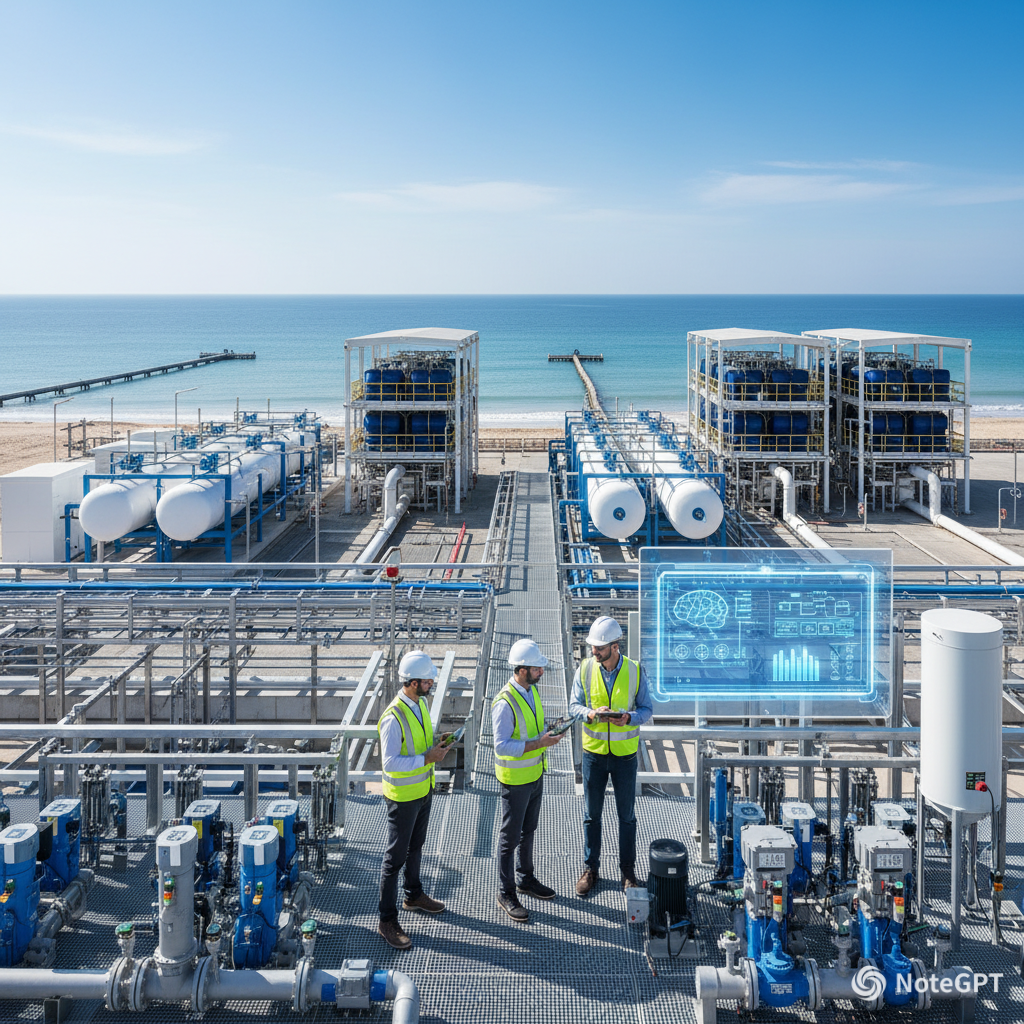
Quantifiable Benefits of AI-Enabled Smart RO Plants
Below are measurable performance improvements observed in AI-integrated facilities:
- 15–30% energy savings
- 20–40% reduction in downtime
- 20–35% longer membrane life
- 10–25% reduction in chemical consumption
- Up to 20% improvement in water recovery rates
- Improved regulatory compliance tracking
- Reduced carbon footprint
For high-capacity plants, these improvements translate into significant annual cost savings.
The Challenges of Traditional RO Water Treatment Plants
Reverse osmosis has long been a reliable water purification method. However, conventional RO plants face persistent operational challenges:
1. High Energy Consumption
RO systems are energy-intensive, particularly in high-pressure desalination and industrial applications. Energy can account for 30–60% of total operating costs.
2. Membrane Fouling and Scaling
Membrane fouling from biofilms, scaling, and particulate matter reduces efficiency, increases pressure drop, and shortens membrane lifespan.
3. Unplanned Downtime
Unexpected pump failures, sensor malfunctions, or chemical dosing errors can shut down operations, impacting production schedules.
4. Manual Monitoring Limitations
Traditional systems rely heavily on manual checks and reactive maintenance, leading to delayed issue detection.
5. Water Wastage
Suboptimal recovery rates and poor system tuning can result in excessive reject water.
These inefficiencies increase operating costs, reduce sustainability performance, and expose facilities to compliance risks. This is precisely where industrial water automation powered by AI and IoT is making a difference.
Comparison: Traditional RO Plant vs AI-Enabled Smart RO Plant
| Feature | Traditional RO Plant | AI-Enabled Smart RO Plant |
|---|---|---|
| Monitoring | Manual & periodic | Real-time IoT monitoring |
| Maintenance | Reactive | Predictive maintenance in RO systems |
| Energy Optimization | Fixed settings | AI-driven adaptive control |
| Chemical Dosing | Manual calibration | Automated dynamic dosing |
| Fault Detection | After failure | Early anomaly detection |
| Downtime | Higher | Reduced by up to 40% |
| Compliance Reporting | Manual logs | Automated cloud-based reporting |
| Scalability | Limited | Multi-site integration |
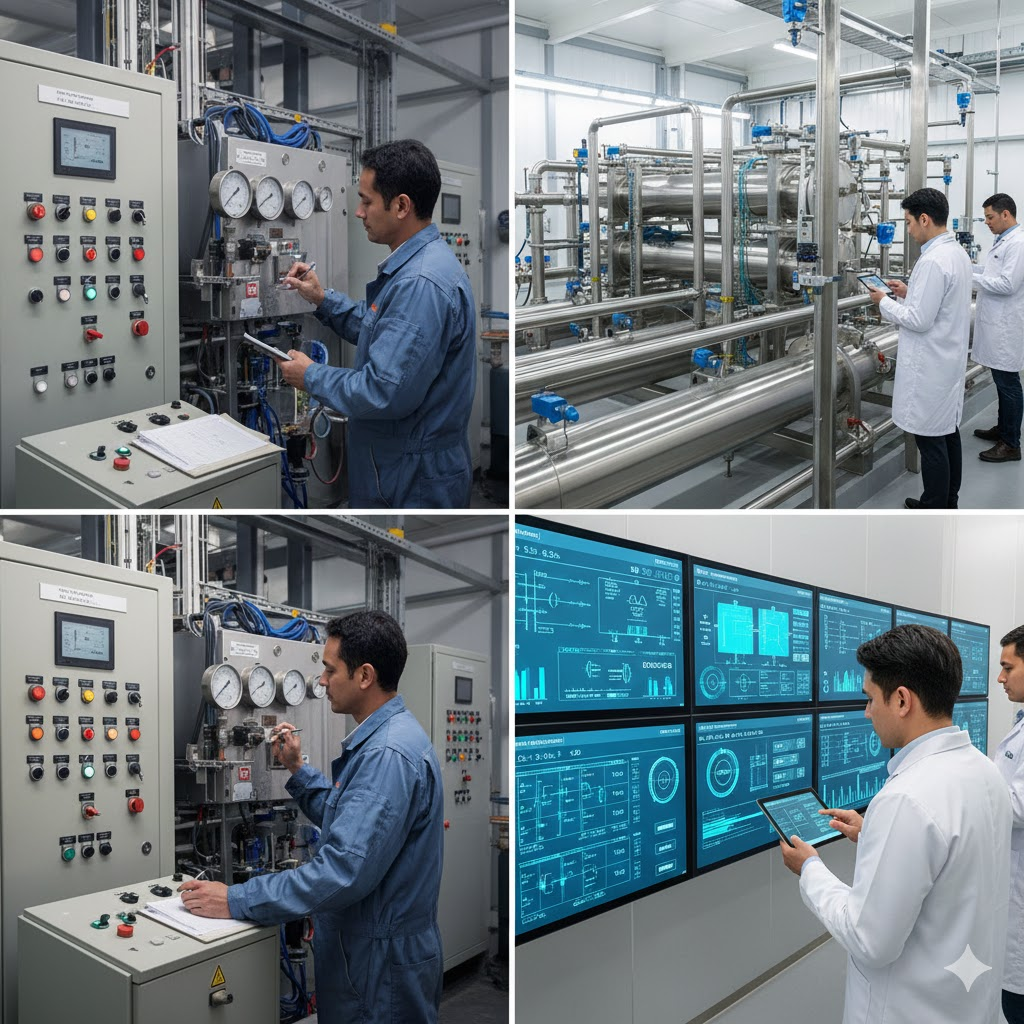
Why 2026 Is a Turning Point
Several factors are accelerating adoption:
- Rising energy prices
- Water scarcity pressures
- ESG and sustainability mandates
- Industry 4.0 integration
- Declining sensor and cloud technology costs
Organizations that delay modernization risk higher operating costs and regulatory challenges.
The Future of Smart RO Plants
The integration of AI and IoT is redefining operational excellence in water treatment. Smart RO plants are more efficient, reliable, and sustainable. They reduce human dependency, increase transparency, and provide data-backed decision-making.
As water becomes one of the most critical global resources, adopting intelligent systems is not just about cost savings — it is about resilience and sustainability.
Ready to Upgrade Your RO Plant?
If you are a plant manager, industrial manufacturer, or municipal authority looking to reduce energy costs, improve reliability, and enhance compliance, now is the time to explore AI-powered RO solutions.
Smart water infrastructure is the competitive advantage of 2026.
Investing in AI-enabled reverse osmosis systems today positions your organization for lower operating costs, improved sustainability performance, and long-term operational stability.
The future of water treatment is intelligent. The question is — is your plant ready?
Conclusion: The Future of Reverse Osmosis Is Intelligent
In 2026, water treatment is no longer just about filtration — it is about intelligence, efficiency, and sustainability.
AI in water treatment and IoT-based water treatment systems are redefining what is possible in reverse osmosis operations. From predictive maintenance in RO systems to real-time energy optimization and automated compliance reporting, smart technologies are transforming conventional plants into resilient, high-performance infrastructure.
The shift toward smart RO plant technology is not a luxury — it is a competitive necessity.
Organizations that embrace industrial water automation today gain:
- Lower operating costs
- Higher system reliability
- Improved environmental compliance
- Stronger ESG performance
- Long-term operational resilience
If your facility is still operating on reactive maintenance and manual monitoring, you may be losing efficiency — and profits — without realizing it.
The future of smart water management 2026 is proactive, data-driven, and self-optimizing.
Now is the time to evaluate your current RO infrastructure and explore how AI-powered solutions can elevate performance, reduce risk, and secure your plant’s long-term sustainability.
The next generation of reverse osmosis has arrived.
Is your plant ready?