

Introduction
What Contaminants Does RO Remove From Drinking Water?
Clean drinking water is essential for good health, but many households unknowingly consume water that contains harmful contaminants. Tap water may look clear, yet it can still contain heavy metals, chemicals, bacteria, and dissolved impurities. These pollutants can affect the taste of water and, more importantly, may pose serious health risks over time.
Many homeowners today ask an important question: what contaminants does RO remove and how effective is RO water purification in making drinking water safe? Understanding what contaminants does RO remove can help you choose the right water purifier for your home.
This is where Reverse Osmosis (RO) water purification becomes extremely useful. RO technology is widely used in modern water purifiers because it can remove a wide range of contaminants from drinking water. Many homeowners ask an important question: What contaminants does RO remove?
In this detailed guide, we will explain what does RO filter remove, how RO membrane filtration works, and why RO systems are effective for producing safe drinking water.
https://maxprofiltration.online/why-ro-water-flow-becomes-slow/For more about ro flow
How Reverse Osmosis (RO) Filtration Works
To understand what contaminants does RO remove, it’s helpful to know how the technology works.
To fully understand water purification, it’s important to know what contaminants does RO remove from drinking water and why reverse osmosis is considered one of the most effective filtration technologies.
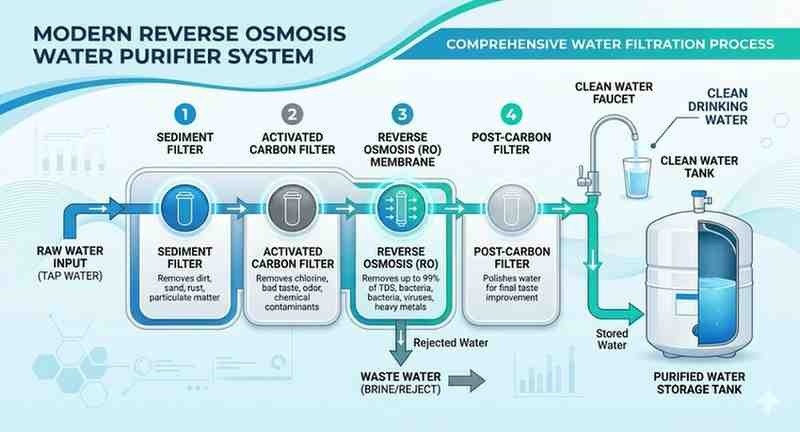
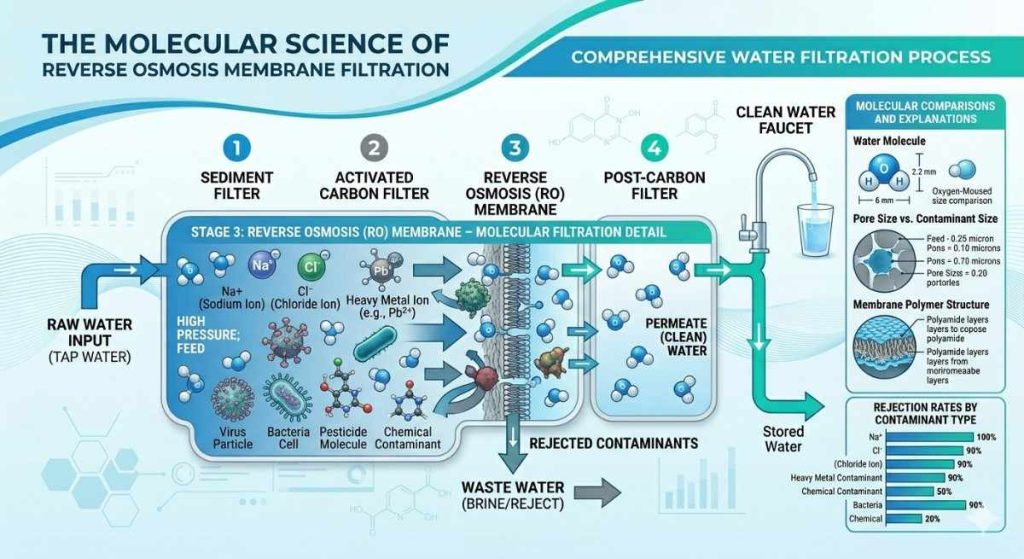
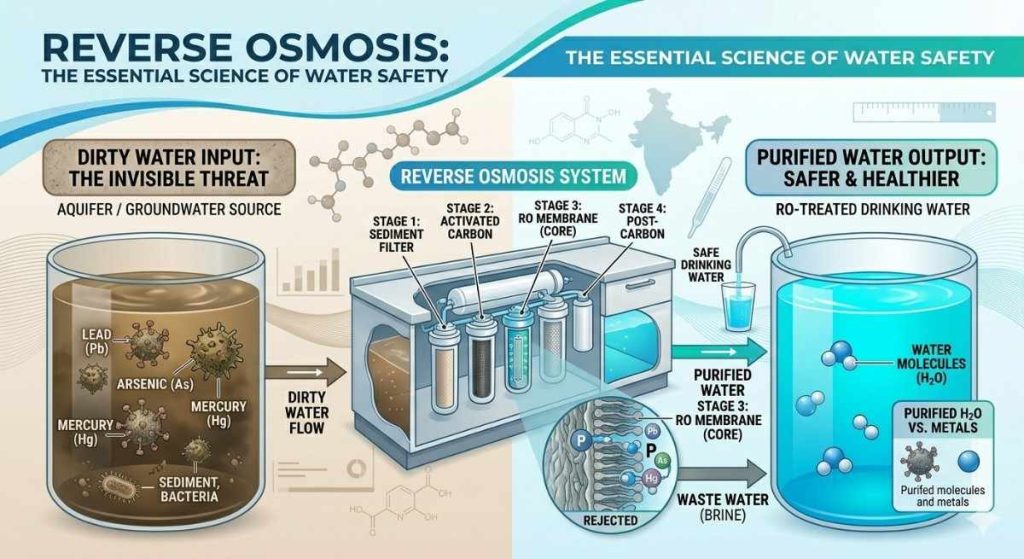
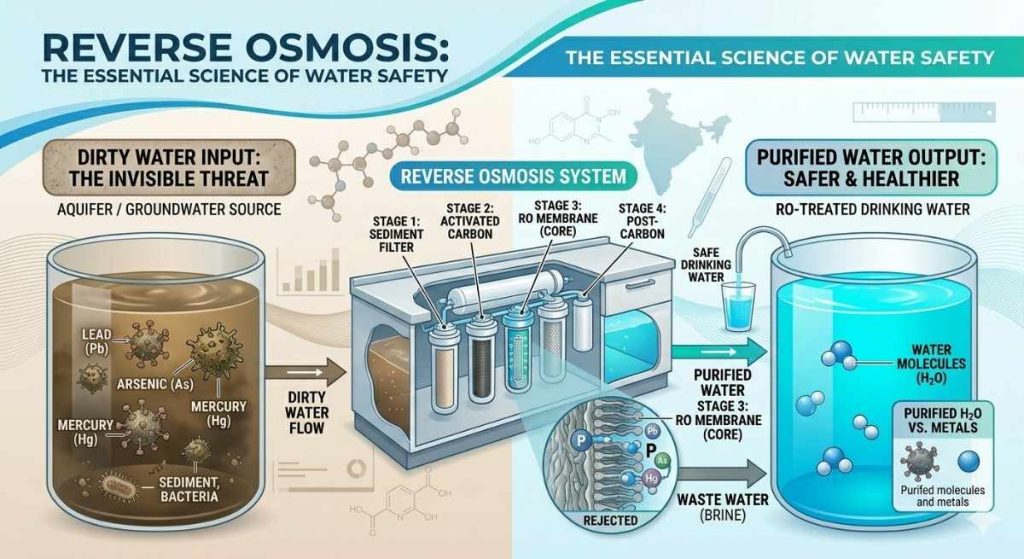
Reverse osmosis is a water purification process that uses a semi-permeable membrane to remove dissolved impurities. Water is pushed through this membrane under pressure, allowing only clean water molecules to pass while blocking larger contaminants.
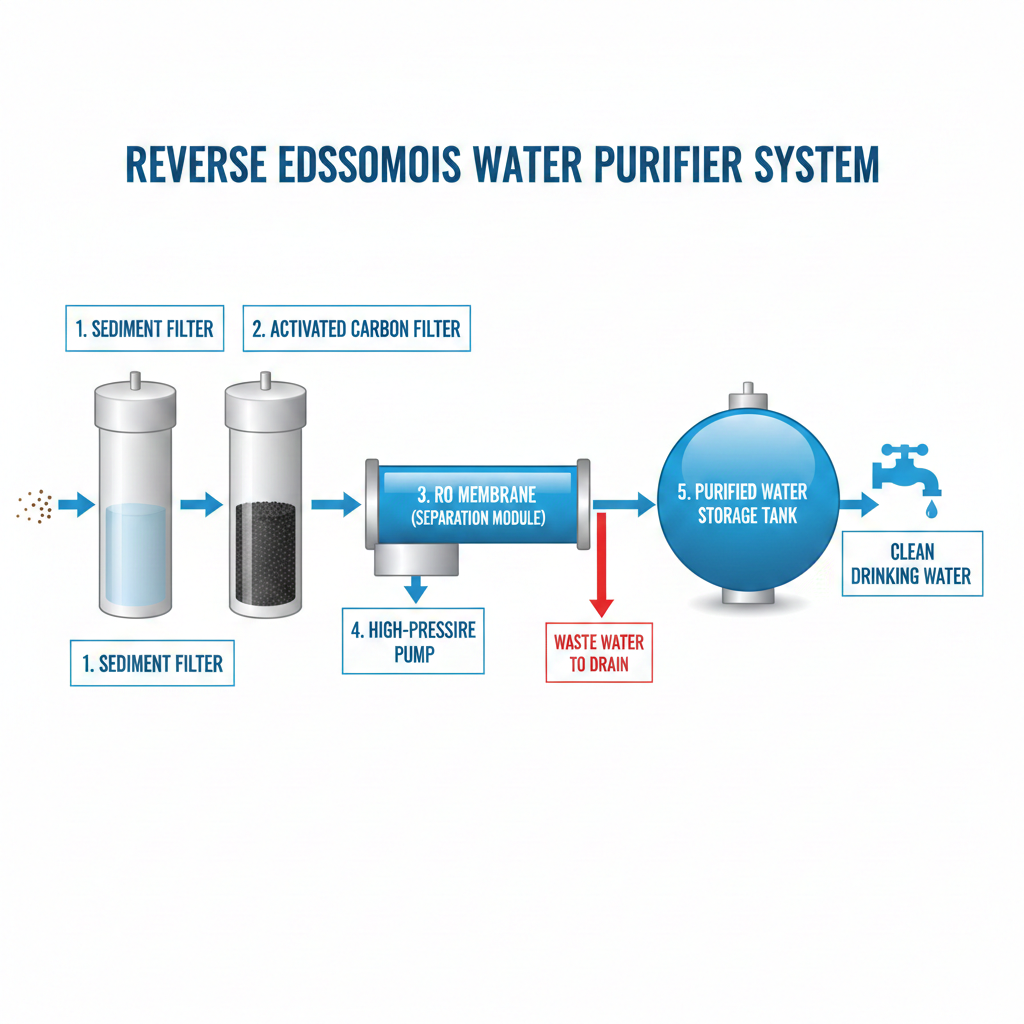
Simple Step-by-Step RO Process
- Pre-Filtration
- Sediment and carbon filters remove dust, rust, chlorine, and large particles.
- RO Membrane Filtration
- The RO membrane removes dissolved salts, heavy metals, chemicals, and microscopic contaminants.
- Post-Filtration
- A carbon filter improves taste and removes remaining odors.
- Storage Tank
- Purified water is stored for safe drinking.
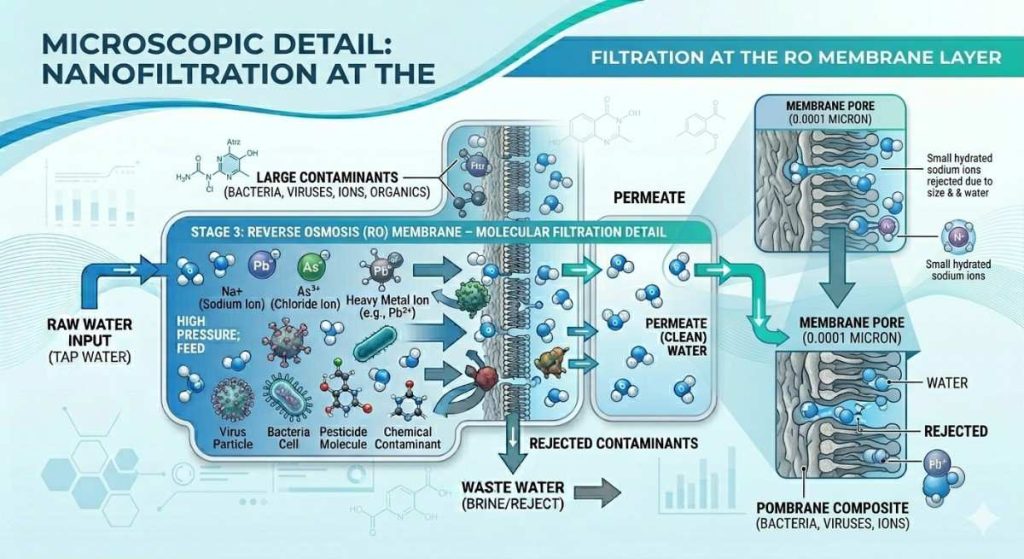
Because the RO membrane pores are extremely tiny (about 0.0001 microns), they can block many harmful contaminants that traditional filters cannot remove.
What Contaminants Does RO Remove?
One of the biggest advantages of RO systems is their ability to remove a broad range of pollutants. Below are the most common contaminants removed by RO water purification systems.
When people research water purifiers, they often want to know what contaminants does RO remove compared to other filtration technologies. The good news is that RO membrane filtration can remove many harmful impurities including heavy metals, chemicals, bacteria, and dissolved salts.
1. Heavy Metals
RO systems are highly effective at removing dangerous heavy metals that may enter water from old pipes, industrial waste, or contaminated groundwater.
Common heavy metals removed by RO include:
- Lead
- Arsenic
- Mercury
- Cadmium
- Chromium
Exposure to these metals can lead to neurological damage, kidney problems, and long-term health risks.
2. Dissolved Salts and High TDS
RO systems are designed to reduce Total Dissolved Solids (TDS) in water.
Dissolved salts may include:
- Calcium
- Magnesium
- Sodium
- Potassium
- Chlorides
High TDS levels can make water taste salty or bitter and may cause scaling in appliances.
3. Chlorine
Chlorine is commonly used in municipal water treatment to kill bacteria. However, excess chlorine can:
- Affect water taste
- Produce unpleasant odor
- Form harmful byproducts
RO systems combined with carbon filters can effectively reduce chlorine levels.
4. Fluoride
Fluoride is added to drinking water in some regions, but high concentrations may cause dental or bone problems.
RO membranes can remove 85–95% of fluoride, making them one of the most effective household solutions for fluoride removal.
5. Nitrates
Nitrates are commonly found in agricultural areas due to fertilizers and runoff.
High nitrate levels in drinking water can cause serious health issues, especially in infants. RO filtration is one of the most reliable methods for reducing nitrates.
6. Bacteria and Viruses
Although RO membranes primarily remove dissolved contaminants, they can also block many microorganisms due to their extremely small pore size.
RO systems can help remove:
- Bacteria
- Some viruses
- Microbial cysts
However, many modern systems also include UV purification to ensure complete microbial protection.
7. Pesticides and Industrial Chemicals
Groundwater can become contaminated with pesticides, herbicides, and industrial chemicals.
RO filtration can remove many harmful substances such as:
- Pesticide residues
- Herbicides
- Industrial solvents
- Volatile organic compounds (VOCs)
These chemicals may cause long-term health problems if consumed regularly.
8. Microplastics
Recent studies have shown that microplastics are increasingly found in drinking water sources.
RO membranes are effective at removing these tiny plastic particles because they are much larger than the membrane pores.
9. Sediment and Rust
Older plumbing systems often release:
- Rust particles
- Dirt
- Sand
- Sediment
These particles affect water clarity and taste. Pre-filters in RO systems remove these contaminants before water reaches the membrane.
Table: Contaminants Removed by RO Systems
| Contaminant | Does RO Remove It? |
|---|---|
| Lead | Yes |
| Arsenic | Yes |
| Mercury | Yes |
| Fluoride | Yes |
| Nitrates | Yes |
| Dissolved salts | Yes |
| Chlorine | Mostly removed with carbon filter |
| Bacteria | Yes (with high efficiency) |
| Pesticides | Yes |
| Microplastics | Yes |
| Sediment | Yes |
Contaminants RO Systems May Not Remove Completely
While RO systems are highly effective, they may not remove every possible contaminant.
Some substances that may require additional filtration include:
- Dissolved gases (like hydrogen sulfide)
- Certain volatile chemicals
- Some pesticides depending on type
- Chloramines in municipal water
This is why many water purifiers use multi-stage filtration systems, combining RO with carbon filters and UV purification.
Knowing what contaminants does RO remove is important because many of these pollutants can cause long-term health issues if they remain in drinking water.
Why Removing These Contaminants Matters for Health
Drinking contaminated water over long periods can lead to serious health problems.
Some possible risks include:
- Kidney damage from heavy metals
- Digestive issues from bacteria
- Developmental problems in children
- Hormonal disruptions from chemicals
- Increased risk of chronic diseases
Using an RO water purifier helps ensure that drinking water is clean, safe, and free from harmful impurities.
Families often notice immediate benefits such as:
- Better tasting water
- Reduced odor
- Clearer water
- Peace of mind about water safety
Signs Your Water May Contain Harmful Contaminants
Many contaminants are invisible, but there are some signs that your water might not be safe.
Watch for these warning signs:
Bad Taste
- Metallic taste
- Bitter flavor
- Salty water
Unpleasant Odor
- Chlorine smell
- Rotten egg smell
- Chemical odor
Stains on Fixtures
- Brown stains from iron
- White scaling from minerals
Cloudy Water
- Suspended particles
- Sediment or dirt
If you notice any of these issues, testing your water and installing an RO system may help.
Do All RO Systems Remove the Same Contaminants?
Not all water purifiers perform the same way.
Different purification technologies remove different types of contaminants.
RO (Reverse Osmosis)
Removes:
- Dissolved salts
- Heavy metals
- Chemicals
- Microplastics
UV (Ultraviolet Purification)
Kills:
- Bacteria
- Viruses
- Microorganisms
UF (Ultrafiltration)
Removes:
- Suspended particles
- Bacteria
- Cysts
Multi-Stage Purifiers
Many modern water purifiers combine RO + UV + UF + carbon filtration to provide maximum protection.
These systems offer broader protection against both chemical and biological contaminants.
How to Ensure Your RO System Removes Contaminants Properly
Even the best RO system requires proper maintenance to perform effectively.
Regular maintenance is essential to ensure the system continues removing impurities effectively, especially if you want consistent results in what contaminants does RO remove from your household water supply.
Here are some important tips.
Replace Filters Regularly
Filters typically need replacement every 6–12 months depending on water quality.
Maintain the RO Membrane
The RO membrane usually lasts 2–3 years, but it should be inspected periodically.
Test Your Water
Water testing helps identify contaminants and ensures your purifier is working correctly.
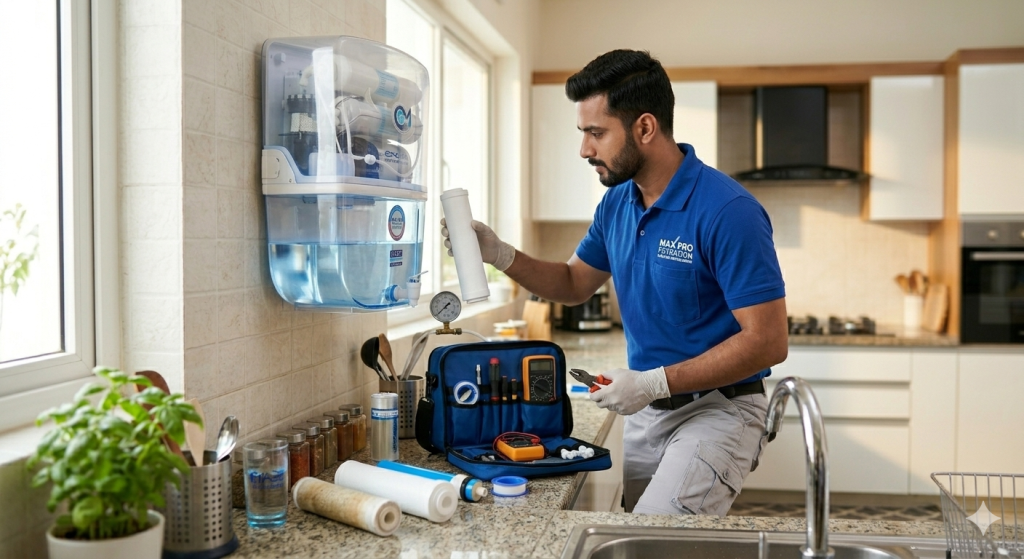
Schedule Professional Servicing
Annual servicing ensures that:
- Filters work efficiently
- Membranes remain functional
- Water quality stays safe
Proper maintenance ensures your RO system continues removing contaminants effectively.
Frequently Asked Questions (FAQ)
- Does RO Remove Bacteria?
Yes. The extremely small pores of the RO membrane can remove many bacteria and microorganisms.
- Does RO Remove Fluoride?
Yes. Reverse osmosis systems can remove 85–95% of fluoride from drinking water.
- Can RO Remove Pesticides?
Many pesticides and agricultural chemicals can be removed through RO membrane filtration.
- Is RO Water Completely Pure?
RO water is highly purified but may still contain trace minerals depending on the system design.
- Does RO Remove Heavy Metals?
Yes. RO systems are very effective at removing heavy metals such as lead, arsenic, and mercury.
- Is RO Water Safe for Daily Drinking?
Yes. Properly filtered RO water is safe and widely recommended for drinking.
Conclusion
Understanding what contaminants does RO remove helps homeowners make informed decisions about their drinking water.
Reverse osmosis systems are capable of removing a wide range of harmful pollutants including:
- Heavy metals
- Dissolved salts
- Fluoride
- Nitrates
- Chemicals
- Microplastics
- Sediment
Because of its powerful filtration ability, RO water purification remains one of the most effective solutions for ensuring safe drinking water at home.
However, maintaining your purifier with regular filter replacements and servicing is essential to keep it performing at its best.
Clean water is not just a convenience — it’s a necessity for protecting your family’s health.