

Health-Many people install an RO water purifier expecting clean, safe, and great-tasting drinking water. But sometimes, instead of fresh water, the RO water starts tasting bitter or unpleasant. This can be confusing and worrying—especially when you’re using RO water daily for drinking and cooking.
If your RO water tastes bitter, don’t worry. This is a common problem and usually easy to fix once you understand the real reason behind it.
In this detailed guide, we’ll explain why RO water tastes bitter, whether it is safe to drink, and simple step-by-step solutions to fix the problem and prevent it in the future.
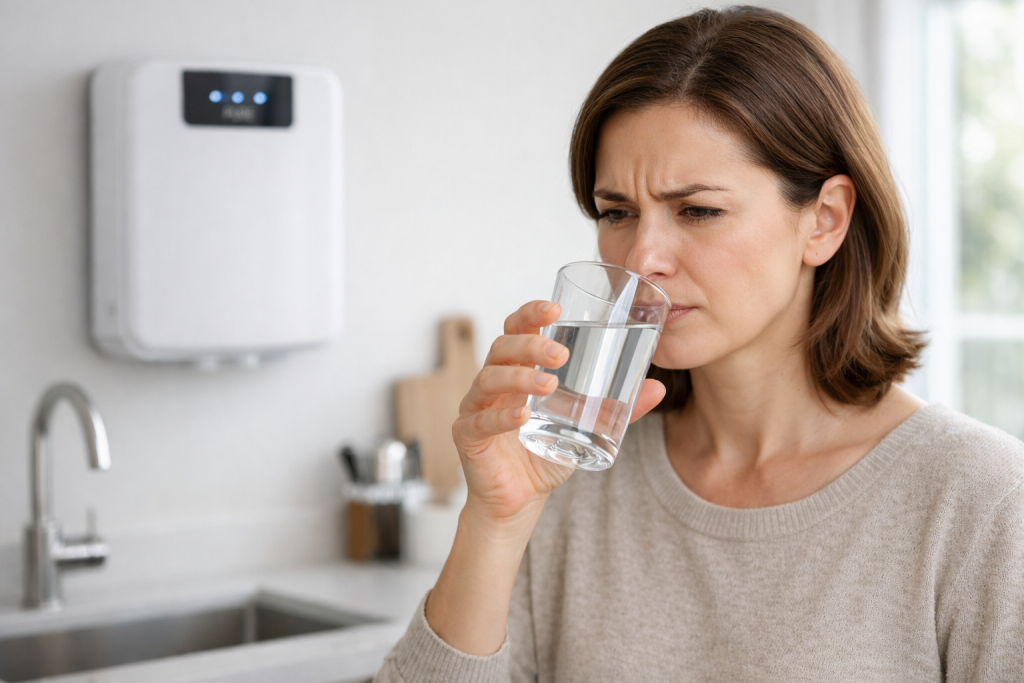
Why Does RO Water Taste Bitter?
Bitter taste in RO water usually means something is wrong with the balance of minerals or filtration system, not that the water is unsafe in every case.
RO (Reverse Osmosis) purifiers work by removing dissolved salts, chemicals, and impurities from water. However, when too many minerals are removed or when filters stop working properly, the water can lose its natural taste and become bitter.
Before fixing the issue, it’s important to understand the exact cause.
EXAMPLE : In many households, we have observed that RO water starts tasting bitter soon after a membrane replacement or when the TDS level drops below 50 ppm. This can also raise health concerns, as extremely low-mineral water may not provide balanced hydration for long-term consumption. In most cases, adjusting the TDS controller or replacing the mineral cartridge immediately improves the taste and restores better water quality.
Is Bitter RO Water Safe to Drink?
This is one of the most common questions people ask.
- Occasionally bitter RO water is usually not dangerous
- Long-term consumption of very low-TDS water may not be ideal
- Bitter taste often indicates mineral imbalance or maintenance issues
While RO water may still be technically “pure,” taste problems are a sign that your RO system needs attention.
Common Reasons Why RO Water Tastes Bitter
Let’s look at the most common and proven reasons behind bitter-tasting RO water.
Excess TDS Reduction in RO Water
This is the number one cause of bitter RO water.
TDS (Total Dissolved Solids) refers to the amount of minerals like calcium, magnesium, and potassium in water. RO systems remove up to 90–95% of TDS.
When TDS becomes too low, water tastes:
- Flat
- Bitter
- Unnatural
Ideal TDS for drinking water:
👉 80–150 ppm
If your RO water TDS drops below 50 ppm, bitterness is very common.
Why this happens:
- TDS controller not adjusted properly
- RO membrane too efficient for already low-TDS water
Missing or Faulty Mineral Cartridge
Mineral cartridges are added to RO systems to restore essential minerals after purification.
If:
- The mineral cartridge is expired
- Poor quality cartridge is used
- Cartridge is missing altogether
Then RO water will lack minerals, leading to bitter or metallic taste.
Minerals improve taste & health , and without them, water doesn’t feel “drinkable.”
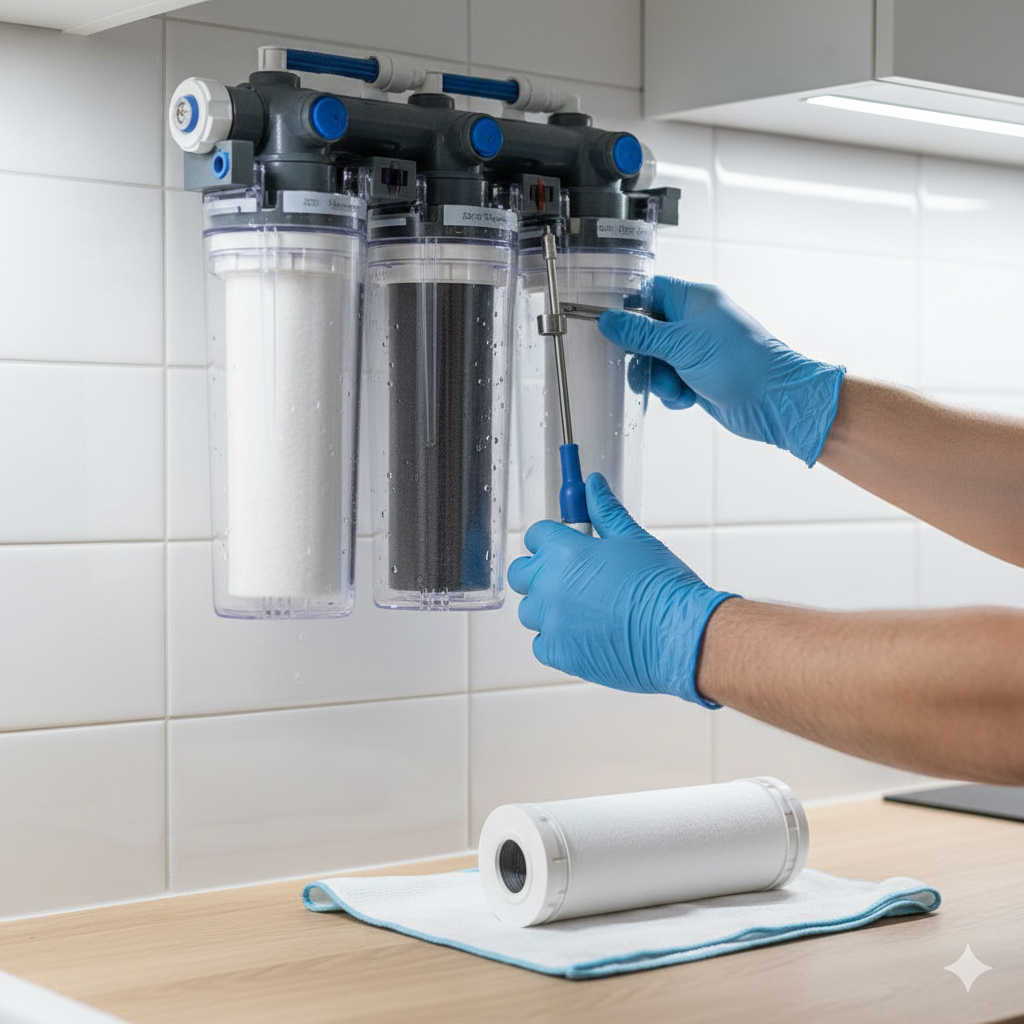
Old or Expired RO Filters
RO purifiers have multiple filters:
- Sediment filter
- Carbon filter
- RO membrane
- Post-carbon or mineral filter
When filters are old or clogged, they stop removing impurities properly, which can affect taste.
Carbon filters, in particular, are responsible for removing:
- Chlorine
- Organic compounds
- Bad taste and odor
If carbon filters expire, bitterness can appear.
Poor Quality or Damaged RO Membrane
The RO membrane is the heart of the system.
If it is:
- Damaged
- Cheap quality
- Overused
It may remove too many minerals or fail to filter properly, leading to bitterness.
A damaged membrane may also cause uneven filtration, affecting taste consistency.
Stagnant Water in RO Storage Tank
If RO water stays unused for long periods:
- It becomes stale
- Taste changes
- Bacterial growth may begin
This is common in:
- Office RO systems
- Homes where RO is used rarely
- Large storage tanks
Stagnant water often tastes bitter or stale, even if filtration is fine.
Chemical Contamination in Source Water
Sometimes, the issue is not the RO, but the input water.
High levels of:
- Fluoride
- Chlorine
- Industrial chemicals
Can cause bitterness even after RO treatment—especially if filters are old or overloaded.
How to Fix Bitter Taste in RO Water (Step-by-Step)
Now let’s fix the problem properly.
Check and Adjust the TDS Controller
If your RO system has a TDS controller, adjusting it can instantly improve taste and also helpful for health.
What to do:
- Measure output water TDS using a TDS meter
- If TDS is below 80 ppm, increase it slightly
- Aim for 100–120 ppm
Do not over-increase TDS—it reduces purification efficiency.
If unsure, call a technician for safe adjustment.
Replace or Install a Mineral Cartridge
If your RO lacks a mineral cartridge or uses an expired one:
Solution:
- Install a high-quality mineral cartridge
- Replace it every 6–12 months
This restores:
- Calcium
- Magnesium
- Natural taste
And immediately reduces bitterness.
Change Old Filters on Time
Follow this general replacement schedule:
| Filter Type | Replacement Time |
|---|---|
| Sediment Filter | Every 6 months |
| Carbon Filter | Every 6–12 months |
| RO Membrane | 2–3 years |
| Mineral Cartridge | 6–12 months |
Timely filter replacement ensures good taste and health, safety.
Clean RO Water Storage Tank Properly
Tank cleaning is often ignored.
How to clean:
- Switch off RO system
- Drain all water
- Clean tank using food-grade disinfectant
- Rinse thoroughly before reuse
Frequency: Every 6 months
This removes stale taste and bacterial buildup.
Flush RO System After Long Non-Use
If RO hasn’t been used for several days:
- Discard first 1–2 tanks of water
- Let fresh water fill again
Flushing removes old water and improves taste instantly.
Is Bitter RO Water Harmful for Health?
Occasional bitterness is usually not harmful, but long-term use of very low-TDS water may cause:
- Mineral deficiency
- Digestive discomfort
- Electrolyte imbalance (rare)
Who should be cautious:
- Children
- Elderly people
- Pregnant women
Balanced mineral water is always better and healthy for daily use.
Ideal Taste & TDS Level for RO Drinking Water
For best taste and health:
- TDS range: 80–150 ppm
- Slight mineral taste is ideal
- Water should feel fresh, not flat or bitter
Use a TDS meter once a month to monitor quality.
When Should You Call an RO Technician?
Call a professional if:
- Taste doesn’t improve after filter change
- RO membrane needs inspection
- TDS controller adjustment feels risky
- Water tastes bitter + smells bad
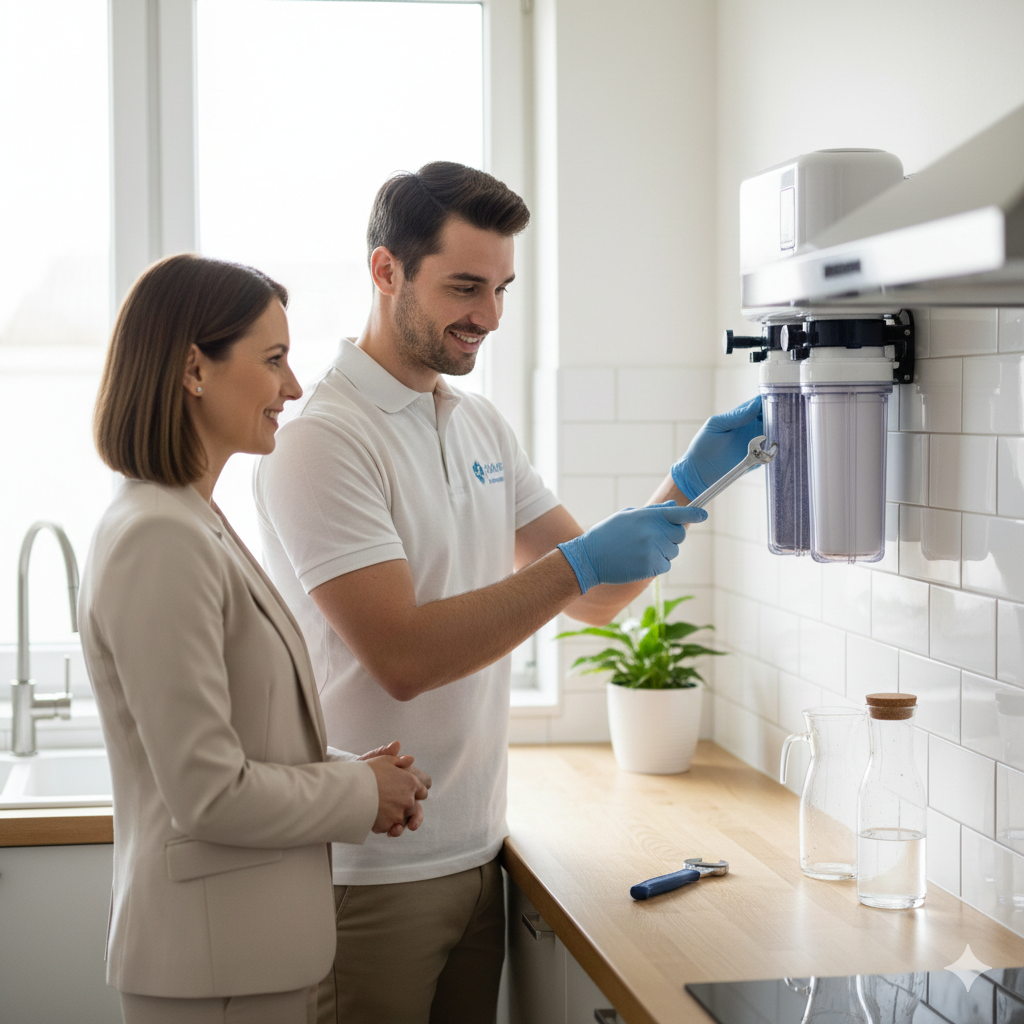
A technician can diagnose the issue quickly and prevent long-term damage.
Need Help Fixing Bitter RO Water for Your Health?
Regular servicing and proper TDS adjustment can restore taste quickly and help maintain safe drinking water for your health. Bitter RO water may indicate mineral imbalance, which can affect long-term health if ignored. A qualified technician can check your system, balance minerals, and ensure your water supports daily health and hydration needs. Contact an RO expert for inspection if the problem continues to protect your family’s health.
How to Prevent Bitter Taste in RO Water in Future
Follow these simple habits:
- Replace filters on time
- Clean storage tank regularly
- Maintain balanced TDS
- Use RO daily to avoid stagnation
- Use good-quality spare parts only
Preventive maintenance = better taste + longer RO life.
Bitter vs Salty vs Metallic Taste in RO Water (Know the Difference)
Many users confuse bitter taste with salty or metallic taste. Identifying the exact taste helps fix the problem faster.
Bitter Taste
- Caused by very low TDS
- Missing minerals
- Over-filtration
- Stale stored water
Salty Taste
- RO membrane leakage
- High TDS not being removed properly
- Faulty membrane or bypass issue
Metallic Taste
- Expired carbon filter
- Mineral cartridge imbalance
- Metal contamination from old pipes
Simple DIY Test to Check Why Your RO Water Tastes Bitter
You don’t always need a technician. Try these basic checks at home:
Step 1: Check TDS Level
- Use a digital TDS meter
- If reading is below 50 ppm, bitterness is expected
Step 2: Taste Comparison Test
- Compare RO water with bottled mineral water
- If bottled water tastes smoother, minerals are missing in RO water
Step 3: Smell the Water
- Bitter + smell = filter issue
- Bitter without smell = mineral/TDS issue
These small tests help you understand the problem before spending money.
Does RO Water Taste Bitter More in Summer?
Yes, many people notice bitter taste more during summer months.
Reasons:
- Higher water consumption exposes taste issues
- Faster mineral depletion in cartridges
- Water stays longer in tank due to power cuts
- Increased bacterial activity in stagnant water
What to do in summer:
- Flush RO weekly
- Use water more frequently
- Clean tank before peak summer
- Check mineral cartridge condition
Seasonal maintenance helps keep taste consistent.
RO Water Tastes Bitter After Filter Change – Why?
This is very common and not a defect.
Possible reasons:
- New RO membrane removes minerals aggressively
- New carbon filter needs flushing
- Mineral cartridge not activated yet
Solution:
- Discard first 1–2 tanks of water
- Adjust TDS after 2–3 days
- Taste usually normalizes within a week
This reassures users and reduces panic searches.
How Often Should You Check RO Water Taste?
Most people wait until taste becomes bad. Instead:
- Taste-check weekly
- TDS check once a month
- Filter inspection every 6 months
Small checks prevent sudden bitterness issues and expensive repairs.
Common Myths About Bitter RO Water
Myth 1: Bitter RO water means purifier is broken
False. It usually means over-purification.
Myth 2: Very low TDS water is healthier
False. Balanced minerals are essential.
Myth 3: Mineral cartridge is optional
False for taste and long-term consumption.
Debunking myths improves trust and dwell time.
RO Maintenance Checklist to Prevent Bitter Taste
Use this as a quick reference:
- ✅ Replace sediment filter every 6 months
- ✅ Replace carbon filter every 6–12 months
- ✅ Clean tank every 6 months
- ✅ Check TDS monthly
- ✅ Replace mineral cartridge yearly
- ✅ Flush system after long non-use
This section is highly shareable and user-friendly.
Final Thoughts
If your RO water tastes bitter, it’s usually a maintenance or mineral balance issue, not a major fault. With simple steps like adjusting TDS, replacing filters, and adding minerals, you can restore fresh, great-tasting drinking water quickly.
Regular care ensures your RO system delivers safe, health, and pleasant-tasting water every day.
Bitter-tasting RO water is not a rare issue—it’s a maintenance signal. Most problems are solved by restoring mineral balance, maintaining ideal TDS levels, and following simple care routines. With timely checks and small adjustments, your RO purifier can deliver clean, healthy, and pleasant-tasting water every day.