Introduction
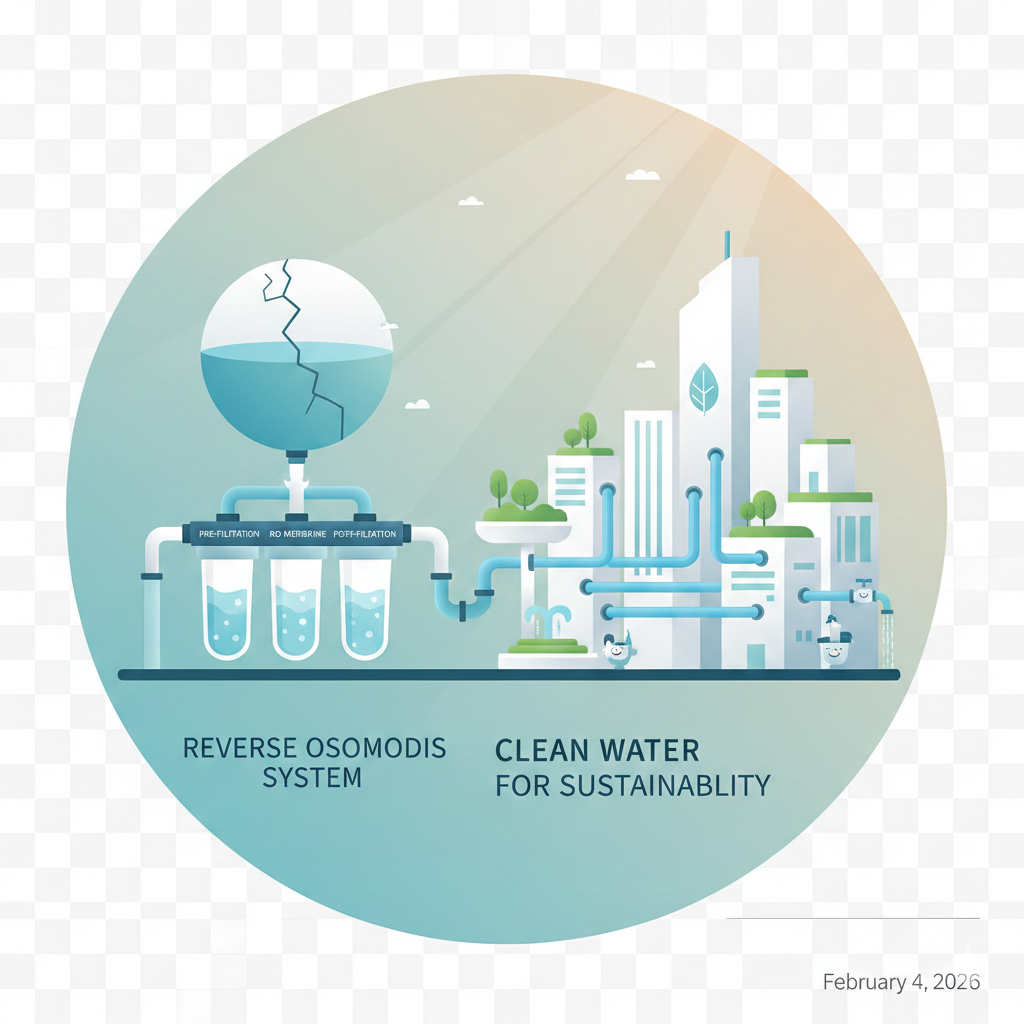
Availability of clean drinking water has become a significant issue given the increasing pollution and contamination of water. Reverse Osmosis (RO) has become a popular and efficient technology available to have safe and healthy drinking water. This technology removes harmful contaminant impurities that cannot be filtered out with conventional methods of purification.
RO Water Purifier?
RO stands for:
RO stands for Reverse Osmosis and refers to a purification method for water that removes harmful contaminants using a fine membrane that pushes the water through. This membrane filters all the salts, bacteria, viruses, heavy metals, and chemicals that are present in the water.
RO systems are commonplace in homes and industries, especially in areas that have hard or polluted water. They enhance the taste of water, making it safe to consume.
How Reverse osmosis works?
In the RO system, water is forced through a semi-permeable membrane using a certain degree of water pressure. In this situation, only clean water molecules are capable of passing through the membrane with the help of water pressure, leaving other contaminating particles such as salts, bacteria, chemicals, and heavy metals behind.
Reverse Osmosis (RO) is based on the principle that a very fine filter (membrane) will repel unwanted particles and allow the water to pass through.
RO (Reverse Osmosis) can be visualized as a highly particular “-security gate” for water.
Firstly, the water is purified slightly. Dust, moisture, and rust are removed so that the pipes are not choked.
Now, the water is forced with a press towards a special sheet named the Reverse osmosis membrane. This membrane has holes so small that only pure water can pass through.
And everything else, like salt, poisonous substances, bacteria, and heavy metals, is stopped at the gate and washed away.
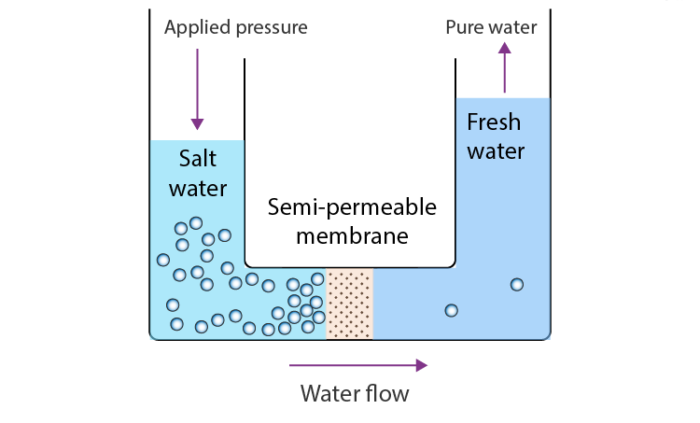
The clean water that flows through is stored there safely, and before you can drink it, there is one final filter it passes to taste fresh and clean.
Stages of RO
Common RO Stages Explained:
1. Sediment filter- It removes dust, sand, and dirt
2. Carbon Filter – Filters chlorine, odor, chemicals
3. Reverse Osmosis Membrane – Removes dissolved salts, heavy metals, bacteria, and viruses
4. Post Carbon Filter-The treated water can be passed through other filters for improved taste.
5. Mineral Filter-Add back important minerals into the water
6. Storage – The clean water is stored in a tank as demand is accessed.
4. Why RO is Important in the Present Era?
Water pollution is also increasing at a rapid pace because of industrial waste, chemicals, as well as old water pipes. This means that most water resources are laden with poisonous substances that are not safe for drinking. RO (Reverse Osmosis) is needed today because of its efficiency in eliminating dissolved salts, heavy metals, bacteria, viruses, and chemicals that cannot be filtered otherwise.
In most regions, the TDS (Total Dissolved Solids) level in ground water is high; hence Reverse Osmosis is one of the most reliable techniques in water purification in such regions. It enhances the tastiness of drinking water and safety.
Due to the increase in pollution levels in the environment and water quality issues, the significance of Reverse Osmosis in maintaining a healthy lifestyle cannot be ignored.
• increasing water pollution and hardness when using tap water.
• Supplies safe drinking water through the elimination of harmful contaminants.
• Needed by households and offices for health and peaceful purposes.

Benefit of RO Water Purifier
1.Makes water truly safe to drink
RO removes hidden dangers like heavy metals, harmful chemicals, excess salts, and germs. Even if the water looks clear, RO makes sure it’s actually safe inside.
2.Protects long-term health
Clean water means fewer stomach problems, better digestion, and reduced risk of illnesses caused by contaminated water. It’s like daily health protection, one glass at a time.
3.Improves taste and smell
Reverse Osmosis removes bad odors and salty or metallic tastes, making water fresh and pleasant to drink. When water tastes good, you naturally drink more of it.
4.Works even with poor-quality water
Whether the source is borewell, tanker, or hard groundwater, RO can handle water that normal filters can’t.
5.Removes excess TDS (salts)
High TDS water can strain your kidneys over time. RO brings TDS down to a safer level, making the water lighter and easier on the body.
6.Reliable and consistent purification
Once installed and maintained, ROsmosis gives the same quality of purified water every day—no guesswork, no surprises.
7.Good for cooking too
Clean water improves the taste of food, tea, and coffee, and helps keep utensils free from white salt marks.
Disadvantages of RO Water Purifier
A lot of water gets wasted
RO throws away more water than it keeps. For every glass of clean water, a few glasses go down the drain. In places where water is already scarce, this feels like a bad trade.
It removes good minerals too
RO doesn’t know the difference between bad stuff and good stuff. Along with harmful impurities, it also removes useful minerals like calcium and magnesium that our body actually needs.
Needs electricity to work
No power, no purification. During power cuts, the RO purifier simply becomes a fancy storage box.
Regular maintenance is a must
Filters and membranes don’t last forever. If you skip servicing, water quality drops—and repairs can be costly over time.
Not necessary for all water types
If your water is already low in salts (low TDS), using RO is overkill. In such cases, it may do more harm than good by over-purifying the water.
Initial cost can be high
Compared to basic filters, RO purifiers are expensive to buy and maintain, which isn’t ideal for every household.
In comparison to UV or UF water purifiers, RO water purifiers are relatively costlier to buy and install.
Which is the best water purifier for highly TDS water?
If your water is having high TDS (Hard Water), it is better to opt for an RO Water Purifier. For water contaminated with microbes, RO+UV will be safe.
RO (Reverse Osmosis) is the only technology that effectively removes dissolved solids in water — including salts, heavy metals, and minerals — by forcing water through a semi-permeable membrane. It’s essential when your water contains high TDS (especially from borewell or tanker sources). Waterpurifier Insights
However, RO also strips beneficial minerals. That’s why many modern purifiers add minerals back or use a TDS adjuster to balance taste and health.
If your sourced water contains a high level of Total Dissolved Solids (TDS) as in the case of borewell/municipal water, you would require a water purifier that has the feature of RO(Reverse Osmosis). These are the only water purifiers that work efficiently in removing dissolved salts and minerals. Advanced variants also have the ability to replenish essential minerals.
Tips for the Maintenance of an RO Water Purifier
Regular maintenance will help your RO water filter work efficiently and give you safe drinking water. Here’s what you should consider:
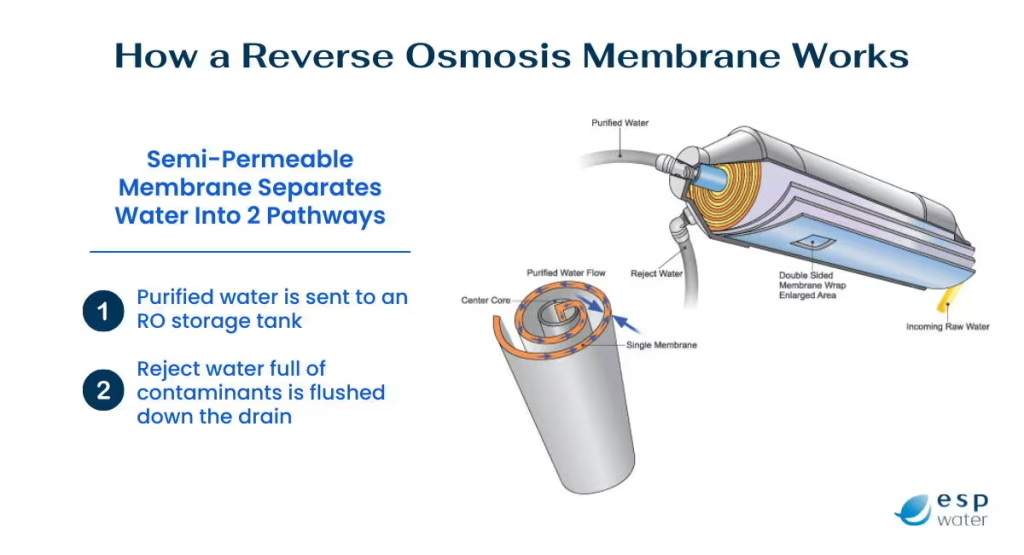
HOW OFTEN TO CHANGE RO FILTERS
In RO systems, there are a number of filters, which may include sediment filters, carbon filters, and post-carbon filters. Changing filters in an RO filter is normally done every 6-12 months depending on usage and quality of water.
Reverse Osmosis Membrane Replacement Time
RO Membrane
It is the most crucial part of a water purifier with an estimated lifespan of 2 to 3 years.
A membrane’s lifespan can be shortened if water is highly rich in TDS values or if the water is used to a greater extent.
Regular checkups also enable one to check for obstruction of clogging of the
| Signs Your RO Needs Servicing | Authors:
Watching for these signs:
• Slow water flow
• Peculiar taste or odor in purified water
• Frequent leak or error signals
By doing this, your purifier will continue to work effectively and will last for a longer period, providing clean and safe water for your household.
How to Choose the Best RO Water Purifier?
Picking an RO can feel overwhelming. Here’s a friendly guide to choose what truly fits your home:
1. Know Your Water Quality
- If your water has high TDS (salts, minerals) → RO is recommended.
- If water is already low in TDS → a UV or UF purifier might be enough.
Many brands offer a free water test — worth it!
2. Check Storage Capacity
For a family of 4–5: 8–12 liters tank is usually comfortable.
3. Look for TDS Controller / Mineralizer
This helps keep good minerals in the water and improves taste.
4. Certification & Brand Trust
Go for brands with ISO/ISI certifications. Customer support and service network matter deeply.
5. Filter Life & Replacement Cost
CONCLUSION: Is Reverse Osmosis Worth It?
RO water purifiers provide very effective protection from high TDS, heavy metals, and chemicals. They are perfect for use in regions with hard water and contaminated municipal water supply.
Benefits:
• Removes dissolved salts and harmful chemicals
• Kills bacteria & viruses (in models with RO+UV)
• Increases taste and quality of water
Limitations
• Needs electricity and a new filter after a certain period of time
• Some important minerals are stripped away (may be replenished with mineral-rich cartridges)
• Slight water wastage
Recommendations Summarized
If the TDS value of your water is higher or if it’s polluted, it is advisable to invest an RO water purifier. For water with low TDS values, you can opt for UV/UF water purifiers.
Call to Action: Test your water today and pick the best water purifier available for you. Also, check out RO+UV+UF combo water purifiers for complete peace of mind.